A balcony full of tulsi, curry leaf, roses, and a few vegetable pots is one of the small joys of an Indian home. Then one morning you notice sticky leaves, tiny green dots on the buds, or holes chewed through your brinjal plant. Garden pests can ruin months of care in a week. The good news is that you can control most plant pests naturally, without harsh chemicals that harm the very insects and birds that keep your garden healthy.
Why natural control makes sense for a home garden
A home garden is a small ecosystem. When you spray strong insecticide, you kill the pests but also the ladybirds, spiders, and bees that pollinate and protect your plants. Chemicals also leave residue on vegetables and herbs you will eat. For a balcony or terrace garden, natural methods are usually enough, safer for your family, and kinder to the pollinators your plants depend on.
Know the common culprits
Before you treat, identify what is attacking your plants — the remedy differs for each:
- Aphids: tiny green, black, or white soft-bodied insects clustered on new shoots and the underside of leaves; they leave sticky honeydew.
- Mealybugs: white, cottony blobs in the joints of stems and leaves, common on hibiscus, money plant, and citrus.
- Spider mites: almost invisible dots with fine webbing under leaves, thriving in hot, dry weather.
- Whiteflies: tiny white flies that rise in a cloud when you disturb the plant.
- Caterpillars and leaf-eaters: chew visible holes and ragged edges in leaves, especially on vegetables.
- Scale insects: small brown bumps stuck along stems that do not move.
Start with your hands and a jet of water
The simplest control costs nothing. For aphids, mites, and whiteflies, a firm spray of water from a bottle or hose knocks most of them off the leaves and they rarely climb back. Pick off caterpillars and scale by hand in the early morning. Wipe mealybugs off with a cotton bud dipped in a little neem or diluted soap solution. Doing this every few days breaks the breeding cycle before it explodes.
Neem oil: the gardener's best friend
Neem oil is the single most useful natural pesticide in an Indian garden. It does not kill on contact like a chemical; instead it disrupts the feeding and breeding of soft-bodied pests over a few days. Mix a few millilitres of neem oil with a pinch of mild liquid soap in a litre of water, shake well, and spray in the evening — never in strong midday sun, which can scorch leaves. Cover the underside of leaves where pests hide, and repeat every five to seven days.
Other kitchen-based sprays that work
- Soap spray: a few drops of mild soap in water smothers aphids and mites; rinse edible leaves before eating.
- Garlic and chilli spray: blend garlic and green chilli, strain, and dilute — a strong deterrent for many chewing pests.
- Buttermilk or diluted curd spray: an old remedy that helps against some fungal issues and mites.
- Wood ash: a light dusting around the base deters slugs, snails, and soil crawlers.
Invite the good insects
Nature has its own pest control team. Ladybirds and their larvae eat hundreds of aphids; spiders trap flies and mites; lacewings and hoverflies feed on soft pests. You attract these helpers by not spraying chemicals and by growing a few flowering plants like marigold, coriander left to flower, and mint. A garden with biodiversity balances itself far better than one you spray sterile.
The healthiest garden is not the one with zero insects — it is the one where the helpful insects outnumber the harmful ones.
Companion planting the Indian way
Some plants protect others simply by growing beside them. Marigold planted among vegetables repels nematodes and many insects with its root chemicals and scent. Tulsi and mint near your pots deter flies and mosquitoes. Garlic and onion interplanted with roses discourage aphids. This traditional wisdom reduces pest pressure without any spraying at all.
Healthy soil, healthy plants
Pests attack weak, stressed plants first. Strong plants resist and recover far better. Feed your soil with compost and vermicompost, do not over-water (soggy roots invite fungus gnats and rot), give plants enough sunlight and spacing for air to move, and remove dead leaves promptly. A well-fed plant in good soil is your first and best line of defence.
Seasonal patterns in the Indian garden
Pest problems follow the seasons. Aphids and mealybugs surge in the warm months of spring and early summer as new growth appears. Spider mites explode in the hot, dry pre-monsoon weeks. The monsoon brings fungal diseases, snails, and slugs that thrive in damp soil. Knowing this lets you inspect more closely at the right time and act before a small problem becomes an infestation.
Mistakes that make pest problems worse
- Over-fertilising with nitrogen, which pushes soft new growth that aphids love.
- Spraying in hot sun, scorching the leaves you are trying to protect.
- Over-watering, which invites fungus gnats, root rot, and snails.
- Ignoring the underside of leaves, where most pests actually live.
- Reaching for chemical spray at the first insect, killing your helpful bugs too.
When to call a professional
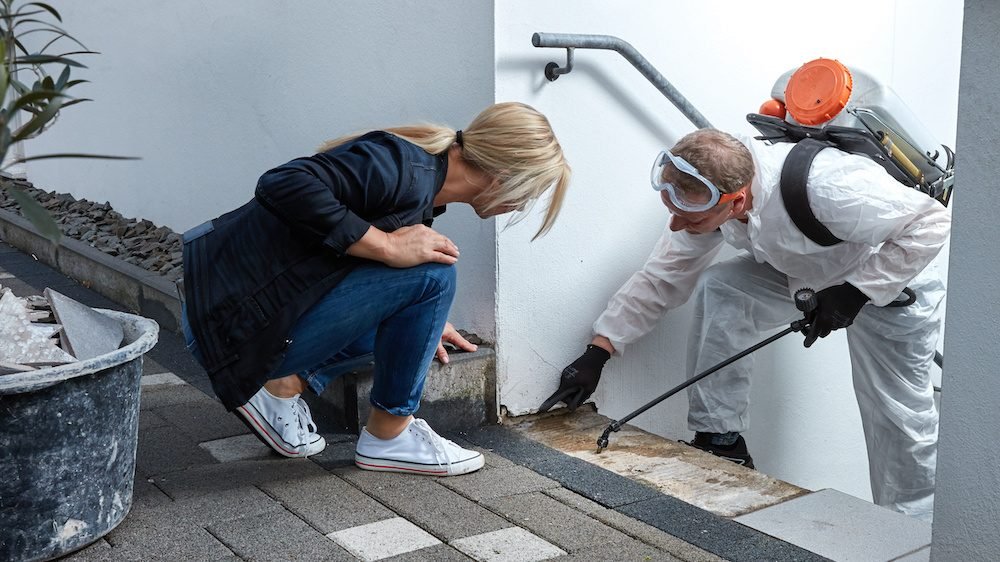
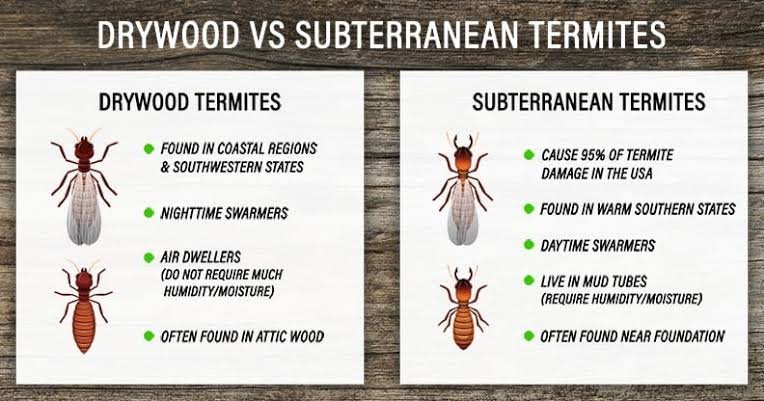
Most balcony and terrace pest problems are manageable at home. But call a professional pest control service if pests spread from your garden into the house, if you have a large terrace garden or a serious infestation that natural methods cannot contain, or if you suspect termites in wooden planters, trellises, or a garden shed. A professional can also advise on plant-safe treatments that will not poison the vegetables and herbs you grow to eat.
Frequently Asked Questions
What is the best natural pesticide for a home garden?
Neem oil is the most useful all-round natural pesticide for Indian gardens. Mixed with a little mild soap and water and sprayed in the evening on both sides of the leaves, it controls aphids, mites, whiteflies, and mealybugs over a few days without harming most beneficial insects.
How do I get rid of aphids without chemicals?
Start with a firm jet of water to knock them off, then spray a neem-oil or mild soap solution on the affected shoots every five to seven days. Encouraging ladybirds and not over-fertilising with nitrogen also keeps aphid numbers down naturally.
Is neem oil safe for vegetables I will eat?
Yes, neem oil is widely used on food crops and is considered safe when used as directed. Spray in the evening, avoid the day of harvest, and wash the vegetables well before cooking or eating.
How can I stop caterpillars eating my plants naturally?
Pick caterpillars off by hand in the early morning, encourage birds and predatory insects, and use a garlic-chilli spray as a deterrent. Removing eggs from the underside of leaves before they hatch prevents most damage.
Why do my plants keep getting pests?
Recurring pests usually mean the plants are stressed by poor soil, over-watering, too little sunlight, or over-fertilising, all of which weaken their natural defences. Fixing the growing conditions and inviting beneficial insects reduces pest attacks far more than repeated spraying.
Do marigolds really keep pests away?
Marigolds genuinely help. Their roots release compounds that deter soil nematodes, and their scent discourages several insects, which is why they are a classic companion plant among vegetables. They work best as one part of a healthy, diverse garden rather than a standalone cure.