Walk into any supermarket and you will find shelves of sprays, chalk, baits, and gadgets that promise to end your pest problem for a few hundred rupees. Sometimes they work. Often they do not, and the pest is back within weeks. Understanding why DIY pest control frequently fails — and when it genuinely works — saves you money, time, and frustration. This is an honest look at doing it yourself versus calling a professional.
When DIY pest control genuinely works
Let us start fair: DIY is the right choice for many small, early problems. A single ant trail, a few houseflies, an occasional mosquito, or the first sign of a cockroach in an otherwise clean home can often be handled well with good hygiene, correct gel bait, sealing, and simple traps. If the problem is small, recent, and confined to one spot, doing it yourself is sensible and cost-effective. The trouble begins when people rely on DIY for problems that have outgrown it.
Reason 1: Treating symptoms, not the source
The most common DIY mistake is fighting the pests you see instead of the ones you do not. Spraying visible cockroaches or wiping an ant trail feels productive, but the colony, the queen, the eggs, and the breeding harbourage remain untouched. Within days the population you never saw rebuilds. Professionals succeed because they target the source — the nest, the harbourage, the breeding site — not just the visible insects.
Reason 2: The wrong product for the pest
Pest control is specific. A sweet ant bait will not attract grease-loving ants. A general spray scatters cockroaches deeper rather than killing the colony like gel bait does. A one-time bed bug spray misses the eggs entirely. Buying a generic "all-purpose" product and using it on the wrong pest wastes money and often makes the problem harder to solve later.
DIY does not fail because you are careless. It fails because the pest you see is only a fraction of the pest that is actually there.
Reason 3: Wrong application, right product
Even the correct product fails if applied wrongly. People spray insecticide over the gel bait they just placed, repelling roaches from the very thing meant to poison them. They put gel on open surfaces where pests never travel instead of in cracks. They apply too little, too late, or skip the hidden spots. Application technique separates a treatment that works from one that merely smells like effort.
Reason 4: No follow-up for the next generation
Many pests lay eggs that are resistant to sprays and hatch days later. Bed bugs are the classic example — without a second treatment two to three weeks after the first, the newly hatched bugs rebuild the infestation. Homeowners rarely plan or execute this follow-up, so the problem seems to return "no matter what they do." Professionals build the follow-up into the job.
Reason 5: The problem is bigger than one flat
In apartments and societies, pests travel between units through shared plumbing chases, common drains, and wall cavities. You can treat your kitchen perfectly and still be re-infested from a neighbour who does nothing. No amount of individual DIY solves a building-wide cockroach or rodent problem — it needs a coordinated treatment of common areas and multiple units, which only a professional programme delivers.
The hidden costs of failed DIY
DIY looks cheaper, but repeated failure adds up in ways people underestimate:
- Money spent again and again on sprays and gadgets that do not solve the problem.
- Weeks or months lost while the infestation grows larger and harder to treat.
- Property damage from termites or rodents that a DIY effort failed to stop.
- Health risks from prolonged exposure to pests and from mishandling chemicals.
- A bigger, costlier professional job in the end than if you had called early.
Gadgets that waste your money
Be especially wary of certain popular products. Ultrasonic "pest repeller" plug-ins have repeatedly failed independent testing against cockroaches, rodents, and mosquitoes. Chalk and many "magic" powders offer little lasting effect. Fake owls stop working once pigeons get used to them. Fogging alone does nothing to mosquito larvae in water. Spending on these gives a feeling of action without solving anything.
Reason 6: Safety mistakes with chemicals
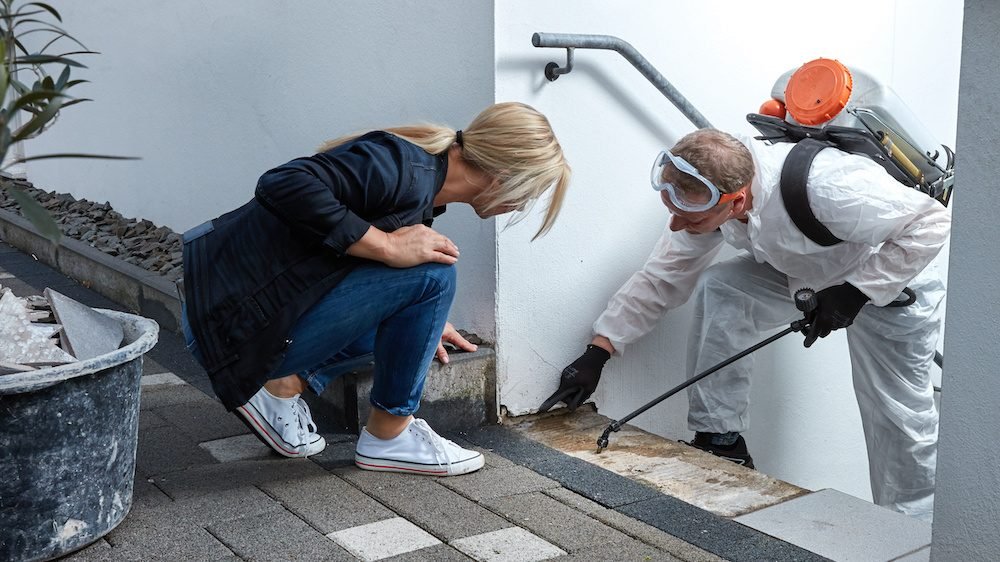
DIY carries a risk that goes beyond simply not working — using chemicals wrongly can harm your own family. People spray insecticide near food and utensils, use outdoor-strength products indoors, mix chemicals, or apply strong sprays around babies, pregnant women, and pets without understanding the exposure. Loose rat poison in a home with children or animals is a genuine hazard. A professional selects the right product, uses the correct dose, applies it precisely where pests hide, and knows the safety precautions, which matters most exactly where DIY tempts people to overdo it.
Why professionals succeed where sprays fail
It helps to understand what you are actually paying a professional for. It is not just a stronger chemical; it is correct identification of the exact pest, knowledge of its biology and hiding places, the right product and application method, access to commercial-grade baits and growth regulators, follow-up visits timed to the pest's breeding cycle, and often a warranty. This combination targets the source and the next generation together, which is precisely what a one-time DIY spray cannot do.
A simple test: DIY or professional?
Use this quick checklist to decide honestly. Lean toward DIY if the problem is small, recent, confined to one spot, and involves a common, low-risk pest. Lean toward a professional if you see pests during the day, the problem keeps returning after treatment, it involves termites, bed bugs, heavy rodents, or a large infestation, it spans a whole building, or any dangerous pest like bees, wasps, or snakes is involved. When in doubt, an inspection costs little and prevents an expensive escalation.
When to call a professional
Call a professional when the pest is dangerous, the infestation is established or spreading, DIY has already failed once or twice, structural pests like termites are involved, or the problem crosses flat boundaries in a society. Professionals bring correct identification, the right product for that pest, proper application, follow-up visits, and warranties. Calling early is almost always cheaper than calling after months of failed DIY, because the infestation is smaller and the fix is quicker.
Frequently Asked Questions
Does DIY pest control ever work?
Yes, for small, early, and confined problems like a single ant trail, a few flies, or the first cockroach in a clean home, DIY with good hygiene, correct gel bait, and sealing works well. It tends to fail when used on large, established, or structural infestations that have outgrown a home remedy.
Why do pests come back after I treat them myself?
Usually because DIY treats the visible pests but not the source — the nest, queen, eggs, or breeding harbourage you cannot see. Without targeting the source and, for some pests, doing a timed follow-up treatment, the hidden population rebuilds within days or weeks.
Are ultrasonic pest repellers effective?
No. Independent testing has repeatedly found ultrasonic plug-in repellers ineffective against cockroaches, rodents, and mosquitoes. The money is better spent on proper baits, sealing, and, where needed, professional treatment.
Is professional pest control worth the extra cost?
For anything beyond a minor problem, yes. Professionals identify the pest correctly, use the right product and application, include follow-up visits, and often provide warranties, which usually works out cheaper than repeatedly buying products that fail while the infestation grows.
Can I handle bed bugs or termites myself?
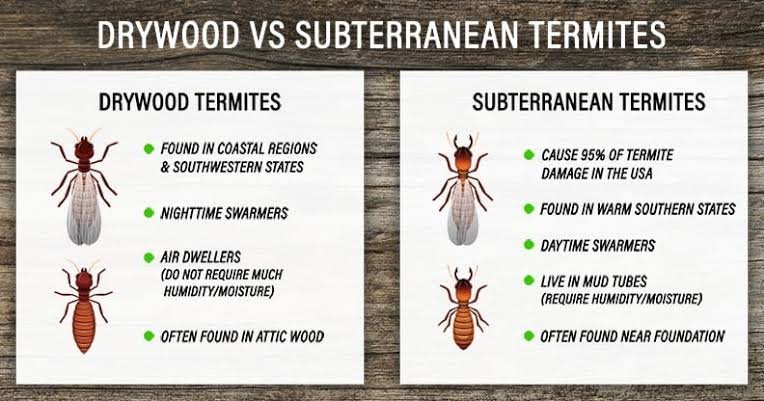
These are two pests where DIY almost always fails. Bed bug eggs survive sprays and need a timed second treatment, and termites cause hidden structural damage that requires a properly dosed barrier and warranty. Both are best left to professionals from the start.
When should I stop DIY and call a professional?
Call a professional if you see pests during the day, the problem returns after you treat it, it involves termites, bed bugs, or heavy rodents, it spans a whole building, or any dangerous pest is involved. Calling early is cheaper than calling after months of failed attempts.