When people find sawdust near a wooden door frame or hear a faint rustling inside furniture, they often assume termites. But termites are not the only insects that damage wood in Indian homes. Carpenter ants, wood borers, and powderpost beetles all attack timber in different ways, and telling them apart matters because the treatment differs. This guide explains how to identify and control wood-damaging insects and protect your furniture and fittings.
Not all wood damage is termites
Termites get the blame for almost every wood problem, but several culprits are at work in Indian homes. Carpenter ants hollow out damp wood to nest in it, without eating it. Wood-boring beetles and their larvae actually eat through timber, leaving tunnels and powder. Recognising which insect you have is the first step, because a carpenter ant is a moisture and nesting problem, while a wood borer is a timber-infestation problem, and each needs a different response.
Carpenter ants: the damp-wood nesters
Carpenter ants are large black or dark ants that, unlike termites, do not eat wood — they excavate it to build smooth nesting galleries, usually in wood that is already damp or decaying. Signs include large ants indoors (especially at night), piles of coarse "sawdust" called frass beneath wooden items, and a faint rustling in walls or furniture. Because they seek out damp wood, their presence is also a warning that you have a moisture or leak problem to fix.
How to deal with carpenter ants
- Find and fix the moisture source — a leak, damp wall, or wet wood — that attracts them.
- Locate the nest by following the ant trails, often to damp door frames, window frames, or wet skirting.
- Replace any badly damaged or rotten wood that is beyond saving.
- Use ant bait that workers carry back to the nest, as spraying only the visible ants leaves the colony intact.
- Keep firewood, timber, and damp materials away from the house walls.
Wood-boring beetles and powderpost beetles
These beetles lay eggs in cracks and pores of wood; the larvae then tunnel through the timber for months or years, eating as they go, before emerging as adults through small round exit holes. The classic sign is fine, flour-like powder (frass) sifting out of tiny holes in furniture, door frames, plywood, or wooden artefacts. Powderpost beetles particularly attack the starchy sapwood of hardwoods and are common in furniture and wooden handicrafts.
Signs of a wood-borer infestation
- Small round exit holes, roughly the size of a pinhead, in wooden surfaces.
- Fine, powdery frass collecting beneath the holes or in drawers.
- A faint ticking or rustling sound inside infested wood in quiet conditions.
- Weak, crumbling, or hollow-sounding sections of timber.
- Fresh holes and powder appearing over time, showing the infestation is active.
Fine powder trickling from a tiny hole in your furniture is not just dust — it is a wood borer eating your timber from the inside out.
How wood borers get into your home
Wood-boring beetles usually arrive inside the wood itself. Furniture, plywood, wooden crates, handicrafts, and timber that were already infested when bought bring the larvae into your home, where they continue developing unseen. Improperly seasoned or untreated wood is especially vulnerable. This is why buying furniture and timber from reputable sources that season and treat their wood makes a real difference to long-term protection.
Treating wood-damaging insects
Treatment depends on the insect and the extent. For a small, localised wood-borer problem in a single item, a professional can inject and treat the affected timber. For furniture, specialised wood-preservative treatment kills the larvae inside. Badly infested or structurally weakened wood is often best replaced. Carpenter ants need the moisture fixed plus colony baiting. Because these treatments require correct product and technique injected into the wood, and because wood damage can be structural, professional treatment is usually the reliable route.
Protecting wood before there is a problem
Prevention is far cheaper than treating an infestation or replacing damaged furniture:
- Buy properly seasoned and treated wood and furniture from reliable sources.
- Apply wood polish, varnish, or sealant, which blocks beetles from laying eggs in the pores.
- Control humidity and fix leaks, since damp wood attracts both carpenter ants and decay.
- Inspect old and second-hand furniture carefully before bringing it home.
- Keep wooden items away from damp walls and floors.
Termites versus other wood pests: a quick comparison
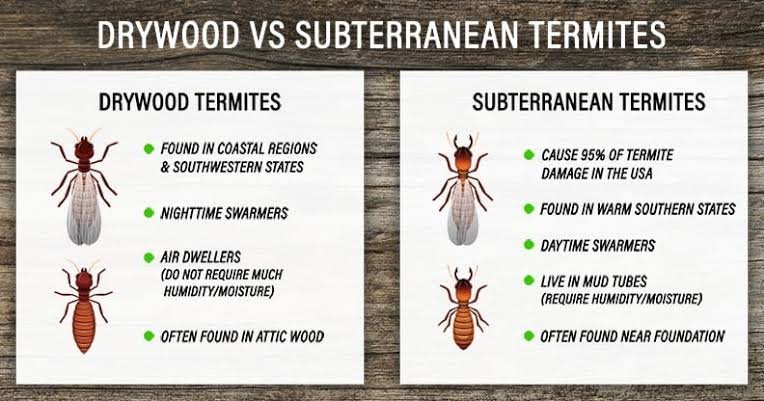
To act correctly, know the differences. Termites eat wood and leave mud tubes and a soil-like residue, hollowing timber from within while leaving a thin surface. Carpenter ants leave clean, coarse frax and smooth galleries but do not eat the wood, and they need damp conditions. Wood borers leave fine, flour-like powder and small round exit holes as larvae eat through the timber. If in doubt, have the pest identified professionally, because misdiagnosing termites as harmless "sawdust" can cost you dearly in structural damage.
When to call a professional
Call a professional if you see fresh exit holes and powder, suspect an active wood-borer infestation, find carpenter ants nesting in structural wood, or cannot tell whether the culprit is termites. Wood-damaging insects can weaken furniture and structural timber, and correct treatment needs proper identification, wood-preservative injection, and sometimes replacement of damaged sections. An early professional assessment prevents a small furniture problem from becoming a costly structural one.
Frequently Asked Questions
How do I know if it is termites or another wood pest?
Termites eat wood and leave mud tubes and a soil-like residue while hollowing timber from within. Carpenter ants excavate damp wood without eating it, leaving coarse frass and smooth galleries, while wood borers leave fine, flour-like powder and small round exit holes. When unsure, have the pest identified professionally, as misjudging termites is costly.
What are carpenter ants and are they as bad as termites?
Carpenter ants are large ants that hollow out damp wood to nest, but unlike termites they do not eat it, so the damage is usually slower and more localised. However, their presence signals a moisture problem, and a large colony can still weaken wood over time, so both the ants and the damp source need addressing.
What causes fine powder under my wooden furniture?
Fine, flour-like powder trickling from tiny holes is frass produced by wood-boring or powderpost beetle larvae eating through the timber from inside. Fresh powder means the infestation is active and the affected wood should be treated or replaced before the damage spreads.
How do wood-boring beetles get into furniture?
They usually arrive inside the wood itself, in furniture, plywood, crates, or handicrafts that were already infested or made from improperly seasoned timber. The larvae then develop unseen for months, which is why buying properly seasoned and treated wood matters.
Can I treat wood borers myself?
Small surface treatments and sealing can help, but reliable control usually needs professional wood-preservative injection into the affected timber and correct identification, since the larvae live deep inside the wood. Badly infested or weakened pieces often need replacement, so an early professional assessment is wise.
How can I protect my wooden furniture from insects?
Buy seasoned, treated wood from reliable sources, apply polish, varnish, or sealant to block egg-laying in the pores, control humidity and fix leaks, and inspect second-hand furniture before bringing it home. Keeping wood dry and sealed is the best long-term defence against both borers and carpenter ants.