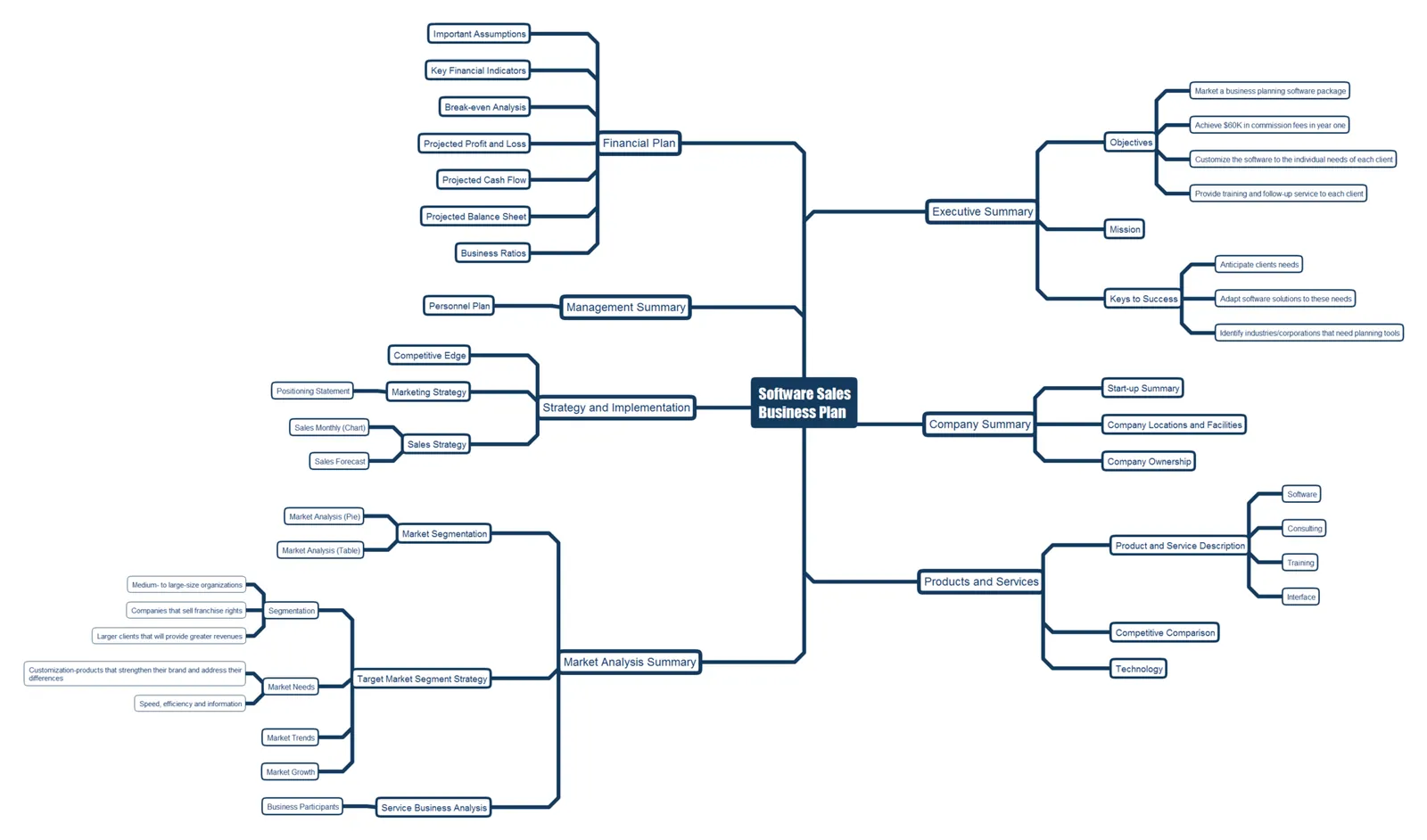
A pest control business plan does not need to be fifty pages. For most founders in India it is a working document of eight to twelve pages that answers three questions: who exactly will pay you, how you will deliver the service safely and legally, and how the money works month by month. The template below gives each section, what to write in it, and the questions a bank officer or partner is likely to ask.
Write it for yourself first. A plan that only exists to impress a lender tends to be optimistic in the wrong places. A plan you actually use will be revised every quarter, and that is a good sign.
Section 1: Summary (write it last)
One page. What the business does, the area it serves, who owns it, how much money is needed, what it is needed for, and the main numbers you expect in years one to three. A reader should understand the whole idea before turning the page. Leave this until everything else is drafted, because only then do you know what the plan says.
Section 2: Your market and service area
Be specific about geography. 'Pune' is not a market; 'Wakad, Hinjewadi, Baner and Aundh, with about 300 housing societies and a cluster of IT offices and restaurants' is. Note what kinds of buildings dominate, whether termite problems are common in the soil type, how strong the monsoon season is, and who already serves the area. You do not need paid research. A few weekends walking the area, talking to society secretaries and noting existing vendors' stickers on lift notice boards is genuinely useful market research.
Section 3: Services, pricing and who buys them
List the services you will offer in year one and what you will deliberately not offer yet. For each, write the price range, the expected customer type and roughly how many jobs a month you expect. Keep this realistic for a new firm. The thinking on which services pay best is in the most profitable services to offer, and the method for setting prices is in our pricing guide.
| Service | Price range (ex-GST) | Main buyer | Jobs per month, month 6 target |
|---|---|---|---|
| General pest, flat | ₹1,200-₹2,500 | Households | 60 |
| Residential AMC | ₹3,500-₹7,000 per year | Households, small offices | 15 new contracts |
| Post-construction termite | ₹6,000-₹20,000 | Independent houses, flats | 6 |
| Bed bug, 2 visits | ₹2,500-₹5,000 | Households, PGs | 8 |
| Commercial AMC | Quoted per site | Restaurants, offices | 4 new sites |
The figures in the last column are an example for a two-technician firm, not a target you must hit. Replace them with your own estimates and write down how you arrived at each one.
Section 4: How you will find customers
Describe each channel and what you expect from it: Google Business Profile and local search, referrals from existing customers, society tie-ups, contractors and builders who need termite treatment, food businesses near you. Give a monthly marketing budget and a rough cost per customer for each channel. If you plan to rely on paid online leads, say so, and plan the money for it; our piece on getting more leads online has the detail.
Section 5: Operations, people and compliance
- Team: how many technicians at launch and at month 12, who supervises, who answers the phone.
- Equipment and vehicles: what you will buy, rent or already own.
- Chemical storage: where, how it is locked and ventilated, who holds the key.
- Licences: the state pest control licence under the Insecticides Act, GST and local registrations, with current status for each.
- Safety: PPE issued, training given, first aid arrangements.
- Systems: how bookings, reports, invoices and AMC renewals will be tracked.
Lenders and serious partners pay attention to this section because it shows whether you understand the regulated side of the trade.
Section 6: The financial plan
This is the section most owners rush. Build three things: a startup budget (what you spend before the first job), a monthly projection for the first 12 months, and yearly totals for years two and three. Show revenue by service, direct costs, overheads, and the cash balance at the end of each month. A simple illustration for a small firm might look like the table below; your numbers will differ.
| Year 1 (₹) | Year 2 (₹) | Year 3 (₹) | |
|---|---|---|---|
| Revenue (ex-GST) | 18,00,000 | 32,00,000 | 45,00,000 |
| Direct costs | 7,20,000 | 12,20,000 | 16,70,000 |
| Overheads incl. owner salary | 10,00,000 | 14,50,000 | 19,00,000 |
| Net profit | 80,000 | 5,30,000 | 9,30,000 |
| Closing cash | 1,20,000 | 5,50,000 | 12,00,000 |
Then write the assumptions under the table in plain words: average job price, jobs per technician per day, AMC renewal rate, how many days customers take to pay. A plan's numbers are only as believable as its assumptions.
Common weak spots lenders and partners notice
- Revenue that starts at full capacity in month one, with no ramp-up period.
- No owner salary in the overheads, so profit looks larger than it is.
- Commercial customers assumed to pay on the day of the invoice.
- No line for callbacks, re-treatments or warranty visits.
- Marketing budget of zero alongside ambitious customer numbers.
- No mention of the pest control licence or where chemicals will be stored.
Fixing these before you show the plan to anyone does more for your credibility than a polished cover page. If you are unsure whether an assumption is reasonable, ask an established operator in a different city; most are happy to sanity-check numbers for someone who is not a direct competitor.
Section 7: Risks and what you will do about them
Name the real risks honestly. A weak monsoon season, a key technician leaving, a large client paying late, a chemical spill or customer health complaint, a new competitor undercutting prices. Next to each, write one practical response: a cash reserve, cross-training, written payment terms, insurance, a clear complaints process. A plan with no risks listed reads as a plan nobody has thought about.
Keep the risk list short enough to act on. Five risks with a named response each are more useful than twenty vague worries, and you can tick them off or rewrite them at each quarterly review as the business changes shape.
Section 8: Milestones for the first 18 months
Finish with a short dated list: licence received, first ten paying customers, first commercial contract, second technician hired, break-even month, first 100 active AMCs. Review this list every quarter. When you miss a milestone, adjust the plan instead of pretending it did not happen.
If you have not yet decided whether to start at all, the broader picture is in the complete guide to starting in India.