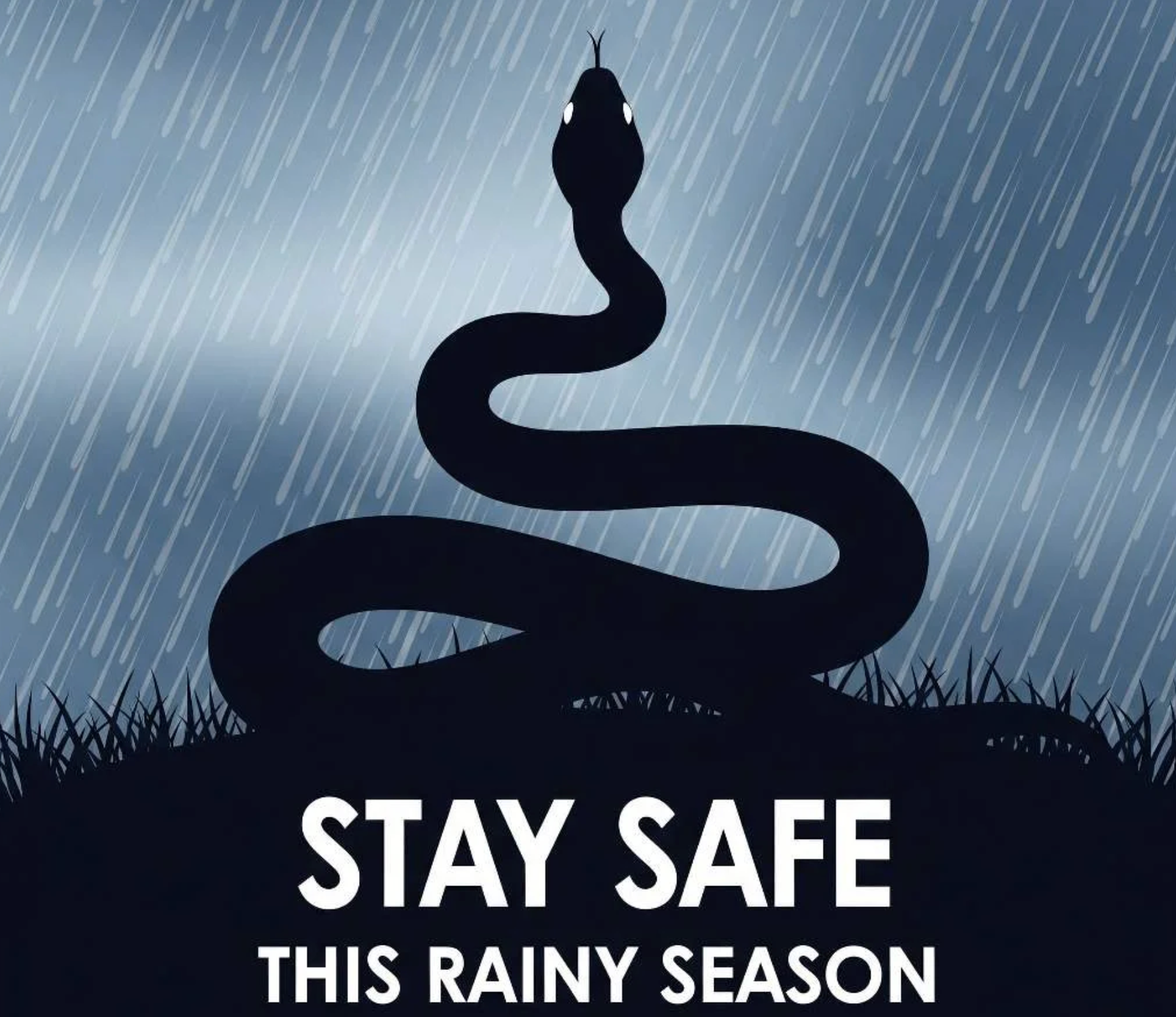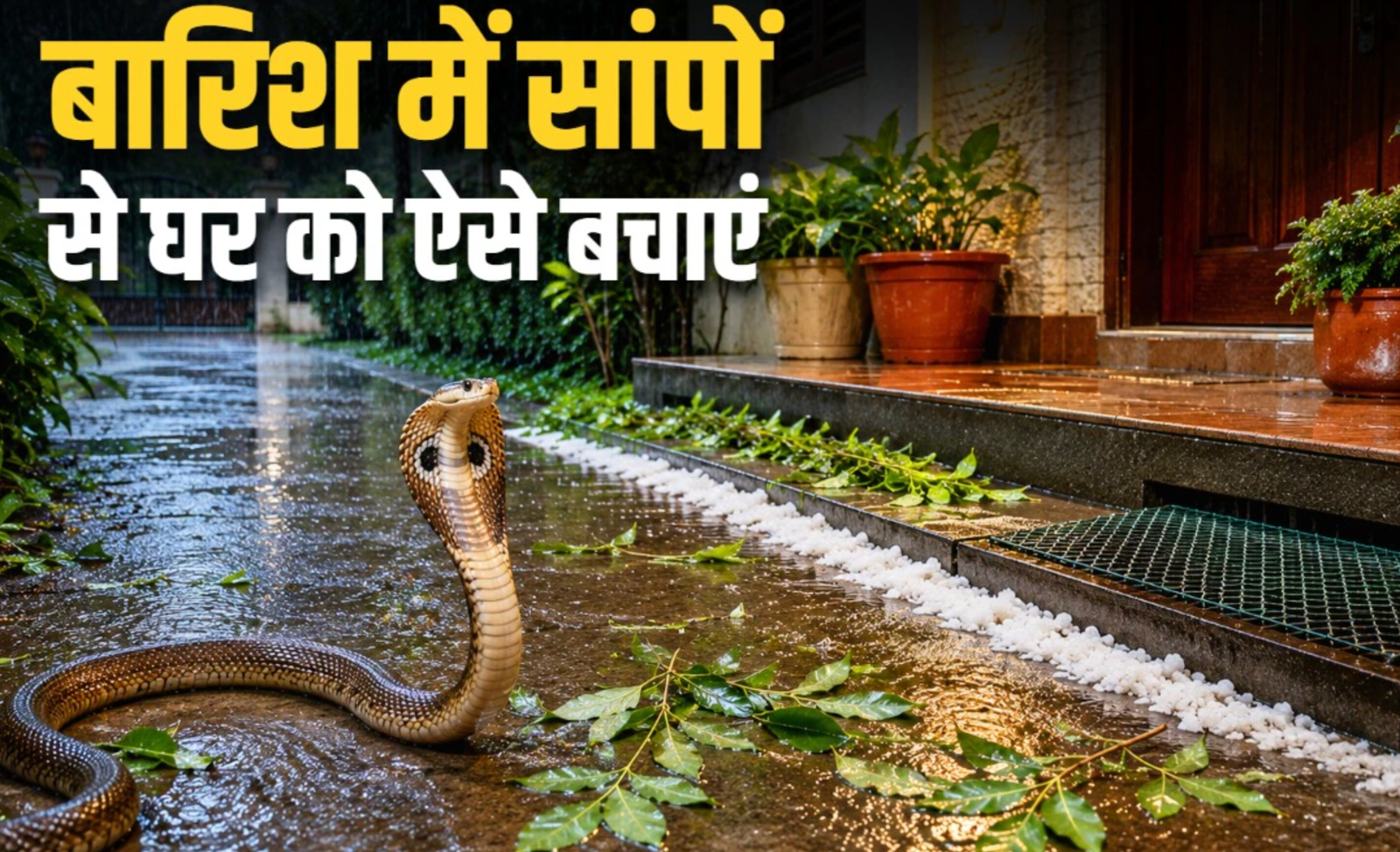
When the monsoon arrives, snakes are flooded out of their burrows and move to higher, drier ground — which often means gardens, ground-floor homes, garages, and society compounds. Most snakes want nothing to do with humans and will leave if given space, but a few Indian species are dangerous, and every year the rains bring a rise in snake encounters. This guide explains how to keep snakes away from your home and, just as importantly, what to do calmly if you meet one.
Why snakes appear more during the monsoon
Snakes are cold-blooded and shelter in burrows, holes, and cool crevices. When heavy rain floods these hiding places, the snakes are forced out to find dry shelter. At the same time, the rains bring out frogs, rats, and insects — the very prey snakes hunt. So a wet garden with rodents and frogs, plus dry nooks like a garage or store room, is exactly what draws a snake toward your home in the rainy season.
Know India's "big four" venomous snakes
India has many snake species, but most serious bites come from four. Recognising them from a safe distance helps you judge the risk:
- Indian cobra: hooded, often near homes and fields, active around dusk.
- Common krait: slender, black with thin white bands, active at night, and notorious for entering homes and biting sleeping people on the floor.
- Russell's viper: thick-bodied with chain-like markings, common in farmland and grassy areas.
- Saw-scaled viper: small but aggressive, found in dry, sandy, and rocky areas.
You do not need to identify a snake to stay safe — treat every snake as potentially dangerous and keep your distance. Identification is for trained rescuers, not homeowners.
Make your home unattractive to snakes
Snakes follow food and shelter. Remove both and your home stops being appealing:
- Control rodents — rats are the number one reason a snake comes near a house.
- Clear rubble, wood piles, brick stacks, and thick undergrowth where snakes hide.
- Keep grass short and remove garden clutter, especially near doors and windows.
- Do not leave food waste or grain that attracts rats and, in turn, snakes.
- Cover open drains and seal gaps under doors and around pipes.
- Keep chicken coops and pet-feeding areas clean, as spilled feed draws rodents.
Seal the entry points
Snakes enter through surprisingly small gaps. Fit tight sweeps under all external doors, seal cracks in walls and foundations, cover ventilation openings and drain outlets with fine metal mesh, and check where pipes and cables pass through walls. Ground-floor homes and independent houses need this most, but even higher floors are not immune if there is easy climbing access.
You do not keep snakes away by fearing them. You keep them away by removing the rats they hunt and the clutter they hide in.
The truth about snake repellents
Many products and home remedies claim to repel snakes — sulphur powder, phenyl, carbolic acid, naphthalene balls, and certain plants. The honest truth is that scientific evidence for these is weak, and snakes often cross them without trouble. Do not rely on a ring of powder to protect your family. Habitat management — removing rodents, clutter, and shelter — is far more effective than any repellent product.
If you see a snake: stay calm
Panic causes most snakebites. If you spot a snake in or near your home, follow these steps:
- Stop, stay still, and keep everyone — especially children and pets — well back.
- Do not try to catch, kill, or corner it; most bites happen when people attempt this.
- Give the snake a clear escape route; if it is outdoors, it will usually leave on its own.
- If it is indoors, move people out of the room, close the door, and block the gap under it with a cloth.
- Call a trained snake rescuer or the local forest department or fire brigade to remove it.
Monsoon precautions around the home
A few careful habits sharply reduce the risk during the rains. Use a torch and wear covered shoes when walking outdoors or in the garden at night. Shake out shoes, gumboots, and stored items before use. Do not put your hand blindly into wood piles, storerooms, or gaps. Keep beds away from the floor and use a mosquito net tucked in, which also gives some protection against the floor-hugging krait at night.
First aid if a snakebite happens
If someone is bitten, the single most important action is to get to a hospital fast, because effective anti-venom is available and works. Keep the person calm and still, as movement spreads venom faster. Gently remove rings, watches, and tight clothing near the bite before swelling starts. Immobilise the bitten limb like a fractured bone and keep it below heart level. Do not cut the wound, suck out venom, apply a tight tourniquet, or use ice or herbal pastes — these old methods cause harm. Note the time of the bite and reach a hospital immediately.
For societies and gated communities
Large compounds with gardens, water features, and boundary landscaping can attract snakes in the monsoon. Societies should keep landscaping trimmed, control the rodent population through a professional programme, clear debris and construction waste, and keep a list of local snake-rescue contacts at the security desk. A single well-managed rodent control contract does more to reduce snakes than any amount of repellent powder.
When to call a professional
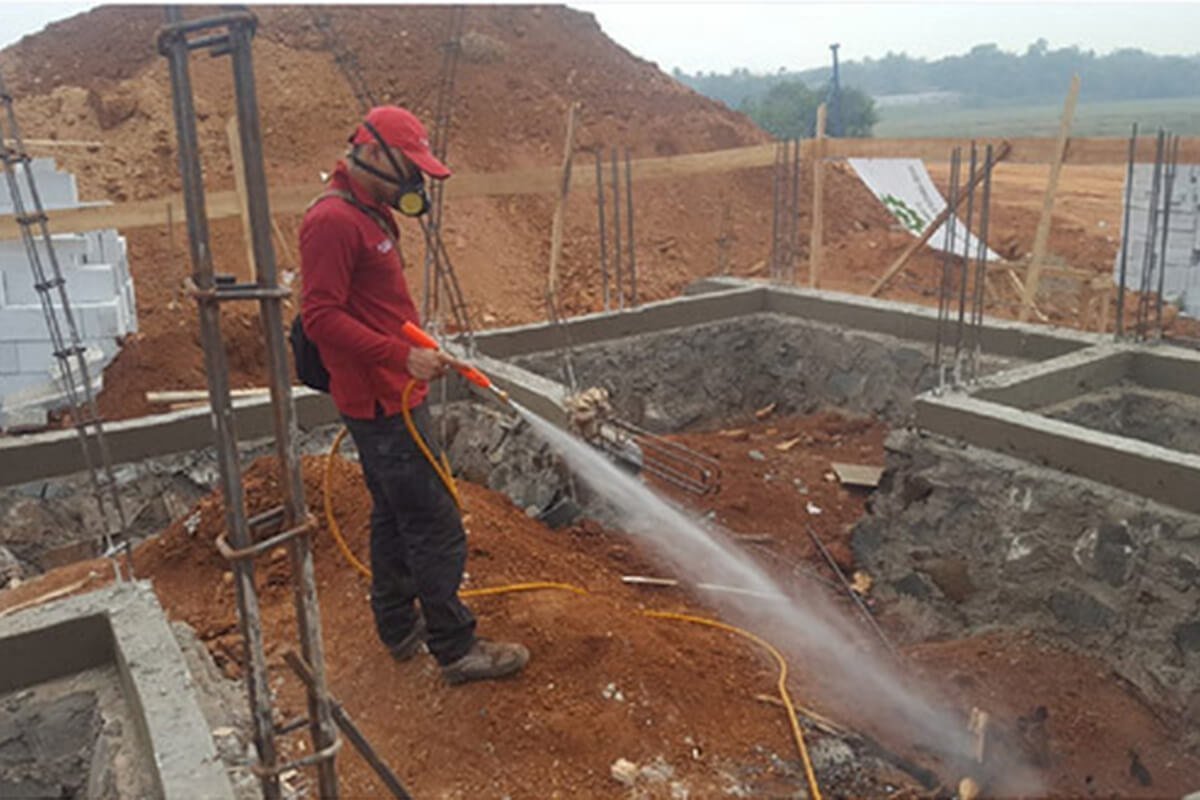
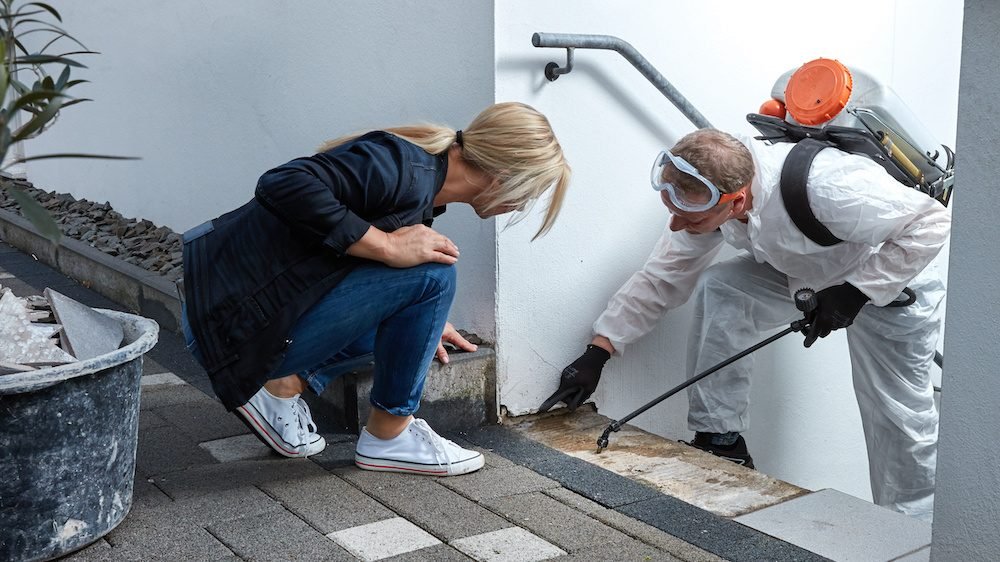
Never attempt to catch or kill a snake yourself. Call a trained snake rescuer, the forest department, or the fire brigade to remove any snake safely. For prevention, a professional pest control service can carry out rodent control and proofing that removes the food source and entry points snakes rely on. If you keep seeing snakes despite precautions, professional habitat and rodent management is the right next step.
Frequently Asked Questions
Why do snakes come out during the monsoon?
Heavy rain floods the burrows and holes where snakes shelter, forcing them out to find dry ground, often near homes. The rains also bring out frogs and rats that snakes hunt, so a wet garden with rodents and dry nooks nearby is very attractive to them.
Do snake repellent powders like sulphur and phenyl really work?
Scientific evidence for chemical and powder snake repellents is weak, and snakes often cross them without difficulty. The most effective prevention is removing rodents, clutter, and shelter, and sealing entry points — not relying on a ring of powder.
What should I do if I see a snake in my house?
Stay calm, keep everyone well back, and do not try to catch or kill it, as most bites happen during such attempts. Give it a clear escape route, or if indoors, move people out, close the door, block the gap underneath, and call a trained snake rescuer or the fire brigade.
How do I keep snakes away from my home?
Control rodents, keep grass short, clear wood piles and clutter, seal gaps under doors and around pipes, and cover drains with mesh. Removing the rats snakes hunt and the shelter they hide in is far more effective than any repellent product.
What is the first aid for a snakebite?
Keep the person calm and still, remove tight items near the bite, immobilise the limb, and get to a hospital immediately for anti-venom. Do not cut, suck, apply a tourniquet, use ice, or apply herbal pastes, as these cause harm and waste critical time.
Which snake is most dangerous inside Indian homes at night?
The common krait is especially dangerous indoors because it is active at night and tends to enter houses and bite people sleeping on the floor, often with little pain at first. Sleeping on a raised bed with a tucked-in mosquito net and sealing floor-level gaps reduces this risk.