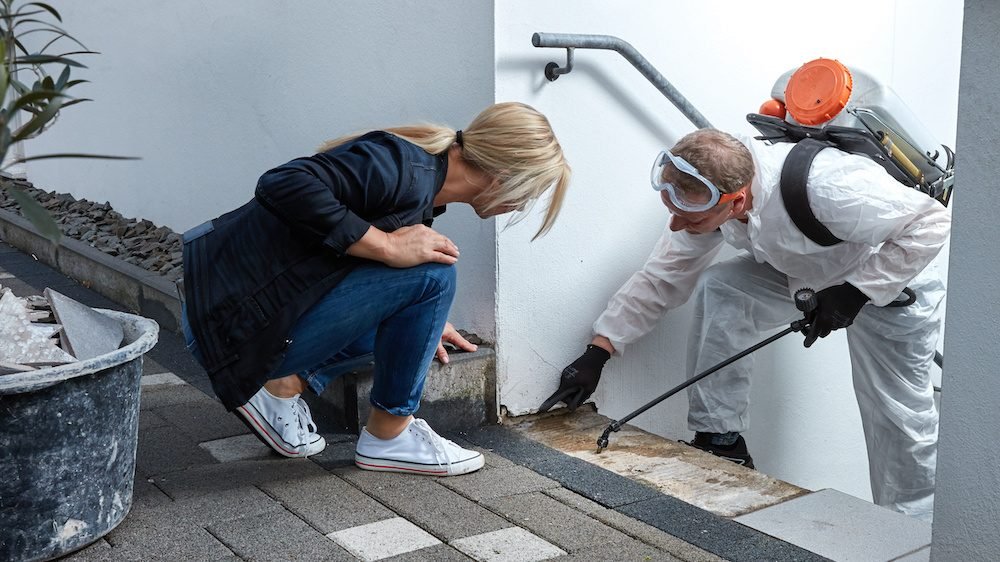
In pest control, complaints are inevitable — pests are living creatures, treatments take time to work, and customers have high expectations. What separates a growing business from a struggling one is not the absence of complaints but how they are handled. A complaint managed well can turn an unhappy customer into a loyal one; handled badly, it becomes a bad review that costs you future business. This guide explains how to handle pest control complaints in a way that protects your reputation and often strengthens the relationship.
Why complaints happen in this trade
Understanding the common causes helps you respond calmly instead of defensively. Most complaints trace back to a few sources: pests reappearing before the treatment has fully worked, unrealistic expectations set at the sale, poor communication about what to expect, a genuinely inadequate treatment, or reinfestation from a source outside your control like a shared drain. Recognising which of these is behind a complaint tells you how to respond — some need a return visit, some need better explanation, and some need an honest conversation about expectations.
The right way to respond
How you respond in the first moments shapes everything. When a complaint comes in:
- Listen fully and let the customer explain without interrupting or getting defensive.
- Acknowledge their frustration genuinely — they feel let down, and that feeling is real.
- Ask questions to understand exactly what is happening and when.
- Explain clearly, without jargon, what may be going on and what you will do.
- Act promptly — offer a return visit or the right remedy quickly, not after days of delay.
- Follow up afterward to confirm the problem is resolved.
Setting expectations prevents complaints
The best complaint is the one that never happens, and most avoidable complaints come from expectations set poorly at the start. If you tell a customer honestly that cockroach numbers may briefly rise as bait draws them out, that a follow-up visit is essential, or that mosquito fogging lasts only a day or two, they are not surprised or angry later. Over-promising to win the job — "one visit and they are gone forever" — guarantees complaints when reality does not match. Honest expectation-setting is your cheapest complaint-prevention tool.
A complaint is not a customer leaving — it is a customer giving you one more chance to keep them. How you use that chance decides whether they stay or tell everyone why they left.
When the customer is right — and when they are not
Sometimes the treatment genuinely fell short, and the right response is to own it, return, and fix it at no charge — that honesty builds more loyalty than a flawless job. Other times the complaint stems from unrealistic expectations or a source outside your control, and the right response is a calm, evidence-based explanation, backed by your service report and treatment history. Being able to show what was done, when, and with what — through proper documentation — turns a he-said-she-said dispute into a factual, resolvable conversation.
Protecting your online reputation
In the age of Google reviews, a mishandled complaint does not stay private — it becomes public and permanent. This raises the stakes on handling complaints well, but it also creates opportunity: a customer whose complaint you resolve genuinely well often becomes a vocal advocate. When you do receive a negative review, respond professionally and publicly, show you take it seriously, and resolve it offline. Prospective customers judge you as much by how you handle criticism as by the absence of it.
Learning from complaints
Every complaint is data. If several customers complain about the same thing — a technician's manner, a treatment that keeps failing, poor communication — that pattern is telling you where to improve. Track complaints, look for recurring themes, and fix the root causes rather than just soothing each individual case. Businesses that treat complaints as feedback rather than annoyances steadily improve their service, which reduces future complaints and builds the reputation that drives referrals and growth.
Training your team to handle complaints
Complaints are rarely handled by you alone — the technician on site and whoever answers the phone are usually the first point of contact, so how they respond shapes the outcome before you are even involved. It is worth training your whole team on the basics: stay calm and never argue, listen and acknowledge the customer's frustration, avoid making promises they cannot keep, and escalate to you promptly rather than trying to bluff their way through. A technician who responds to an upset customer with patience and reassurance can defuse a situation that a defensive reaction would have inflamed into a bad review.
It also helps to give your team clear guidelines on what they are authorised to do — for example, that a free return visit for a genuine treatment failure is always fine, so they can reassure the customer immediately rather than leaving them hanging. Empowering your people to make small things right on the spot resolves many complaints before they escalate and shows customers that your whole business, not just the owner, takes them seriously. Complaint handling is a skill, and like any skill it improves with training and clear expectations. A business where everyone knows how to turn a complaint into a save is far more resilient than one where every unhappy customer lands, unmanaged, straight into a public review.
Frequently Asked Questions
Why are complaints common in pest control?
Pests are living creatures, treatments take time to work, and expectations are high. Common causes include pests reappearing before treatment fully works, unrealistic expectations set at the sale, poor communication, inadequate treatment, or reinfestation from a source outside your control.
What is the right way to respond to a complaint?
Listen fully without getting defensive, acknowledge the frustration genuinely, ask questions to understand the situation, explain clearly what may be happening, act promptly with a return visit or remedy, and follow up to confirm it is resolved.
How can I prevent complaints in the first place?
Set honest expectations at the start — explain that a follow-up may be needed, that fogging is short-lived, or that bait may briefly increase sightings. Over-promising to win the job guarantees complaints when reality does not match, so honesty is the cheapest prevention.
What if the customer's complaint is not justified?
Respond with a calm, evidence-based explanation backed by your service report and treatment history. Being able to show what was done, when, and with what turns a dispute into a factual, resolvable conversation instead of an argument.
How do complaints affect my online reputation?
A mishandled complaint can become a public, permanent negative review, while a well-resolved one often creates a vocal advocate. Respond to negative reviews professionally and publicly, take them seriously, and resolve them offline — prospects judge how you handle criticism.
How can complaints help my business improve?
Every complaint is data. Recurring themes — a technician's manner, a failing treatment, poor communication — show where to improve. Tracking complaints and fixing root causes steadily improves service, reduces future complaints, and builds a reputation that drives referrals.