Most people treat household pests as an annoyance: something unpleasant to see in the kitchen or hear in the ceiling. The health effects are easy to miss because they rarely look like they came from a pest. A child's asthma that worsens every winter, a stomach infection blamed on street food, a fever in August that turns out to be leptospirosis. In many of these cases, a pest living quietly in the home was part of the chain.
This article goes pest by pest through the health risks doctors and public health researchers actually link to them, how the exposure happens inside a home, and which risks are serious enough to act on quickly.
Cockroaches: allergens more than germs
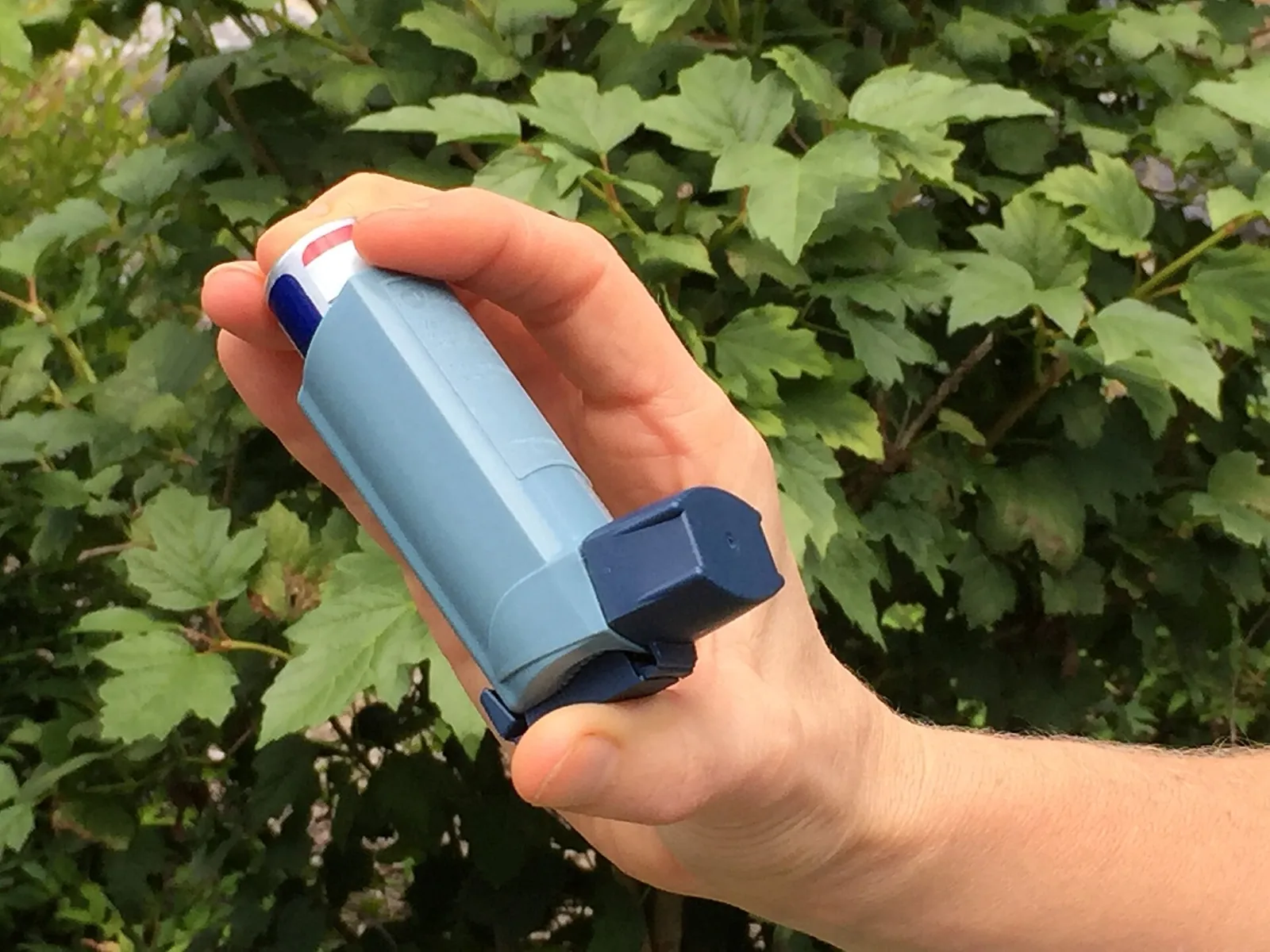
Cockroaches are often described as germ carriers, and they do pick up bacteria such as Salmonella, E. coli and Shigella from drains and garbage. But the better-documented risk is allergy. Proteins in cockroach droppings, saliva and shed skins become part of household dust. When children breathe this dust in over months, it can trigger and worsen asthma. Studies in urban homes have found that children who are both sensitised to cockroach allergen and exposed to it at home have more asthma attacks and hospital visits than other asthmatic children.
The allergen does not disappear when the cockroaches do. It stays in dust, behind appliances and inside cabinets. After a successful treatment, a thorough wet-wipe of cabinets and a vacuum with a good filter removes much of what is left.
Rats and mice: the most serious household risk
Rodents spread more serious disease than any other common household pest. The biggest concern in India is leptospirosis, a bacterial infection spread through rat urine. It enters the body through cuts in the skin or through the eyes and mouth, usually when people wade through floodwater or touch surfaces contaminated by urine. Every monsoon, cities such as Mumbai report hundreds of cases, and severe leptospirosis can damage the kidneys and liver.
Rodents also contaminate stored food with droppings and urine, can carry Salmonella, and their fleas can spread murine typhus. Rat bites are uncommon but do happen, mostly to infants and bedridden people at night. Indoors, rodents gnaw electrical wiring, which is a fire risk that is easy to underestimate.
- Wear gloves when cleaning rodent droppings, and wet them with disinfectant first instead of sweeping dry. Dry sweeping lifts particles into the air.
- Throw away any food packet that shows gnaw marks; do not just cut off the damaged part.
- Cover cuts on feet and hands during the monsoon, and see a doctor if a fever follows contact with floodwater.
Mosquitoes: the risk everyone knows, underestimated
Dengue, malaria and chikungunya are the obvious mosquito-borne illnesses in India, and they account for a large share of fever hospitalisations every rainy season. What people underestimate is how local the risk is. Aedes aegypti, the dengue mosquito, rarely flies more than about 100 to 200 metres from where it hatched. If you are being bitten in daytime inside your home, the breeding site is very likely within your home or building.
That makes dengue unusually preventable at household level. Removing water from containers every week breaks the breeding cycle completely. Fogging and repellent creams reduce bites, but they do not remove the source.
Flies and food-borne infection
A housefly moves constantly between waste and food. Its legs and mouthparts carry bacteria, and it regurgitates and defecates while feeding. Flies have been linked to the spread of diarrhoeal diseases, typhoid, cholera and eye infections such as trachoma. The risk is highest where wet waste is left open near cooking areas, which is common in summer when bins fill quickly. Covering cooked food and keeping waste bins lidded matters more than any fly spray.
Bed bugs: mental health is the real cost
Bed bugs are not known to transmit disease to people. Their bites cause itchy red welts, and scratching can lead to skin infections, especially in children. The larger effect is on sleep and mental well-being. People living with a bed bug problem report anxiety, poor sleep and embarrassment that stops them from inviting guests or telling anyone. Long-running infestations have been associated with low mood and insomnia. Treating them promptly is a genuine health decision, not only a cleanliness one.
Pigeons, lizards and less obvious sources
Pigeon droppings that build up on balconies, window ledges and AC units can carry fungi linked to lung infections such as histoplasmosis and cryptococcosis, and bird feathers and dust can trigger hypersensitivity pneumonitis, also called bird fancier's lung. People with weak immunity are most at risk. Clean droppings wet, with a mask on, and install bird netting or spikes if pigeons nest regularly.
House lizards are harmless to touch, but their droppings can carry Salmonella. Keep food covered and wipe counters before use. Mould that grows alongside silverfish and booklice in damp homes is itself a respiratory irritant, so the damp that attracts these insects is worth fixing for its own sake.
Risk summary by pest
| Pest | Main health concern | Who is most at risk | How urgent |
|---|---|---|---|
| Rats and mice | Leptospirosis, food contamination, fire from wiring | Everyone, especially in floods | High |
| Mosquitoes | Dengue, malaria, chikungunya | Everyone; children and elderly worst affected | High in monsoon |
| Cockroaches | Asthma and allergy, food contamination | Children, asthma patients | Medium to high |
| Houseflies | Diarrhoea, typhoid, eye infections | Young children | Medium |
| Pigeons | Fungal lung infections, allergic lung disease | Elderly, immunocompromised | Medium |
| Bed bugs | Skin infection, poor sleep, anxiety | Everyone in the infested room | Medium |
| Lizards | Salmonella from droppings | Anyone eating uncovered food | Low |
Pesticide misuse is also a health risk
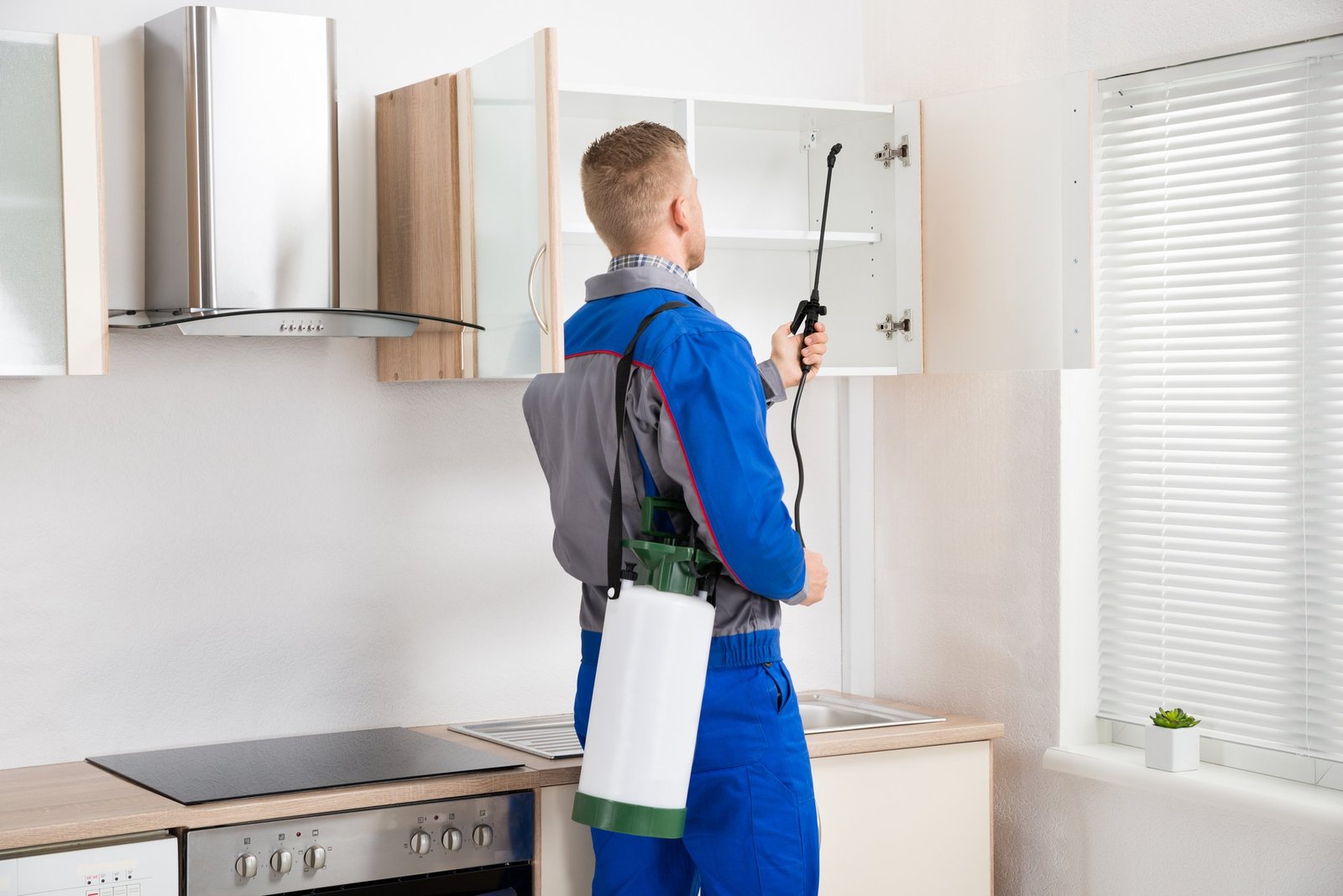
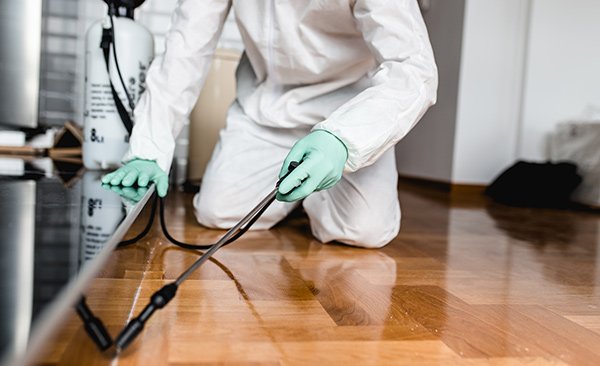
In trying to get rid of pests, many households create a second problem. Mixing two sprays, using agricultural chemicals bought from a farm supply shop, spraying in a closed bedroom, or keeping insecticide in an unlabelled bottle are common in Indian homes. Accidental poisoning of children from household insecticides is a real and recurring emergency in hospitals. Use only products registered for household use, follow the label dose, ventilate rooms, and store chemicals in their original containers out of reach.
When to see a doctor rather than a pest controller
Fever with severe body ache, headache behind the eyes or a rash during the monsoon should be checked for dengue. Fever with muscle pain, especially in the calves, after contact with floodwater should be checked for leptospirosis. Repeated wheezing or night-time cough in a child living in a home with cockroaches is worth raising with a paediatrician. Pest control removes the source, but it does not treat an infection that has already started.