Residual spraying means applying an insecticide to surfaces so that a thin, invisible film stays active for weeks after it dries, killing insects that walk or rest on it later. Indoors in an Indian flat, a well-applied residual spray usually keeps working for somewhere between a few weeks and about three months, depending on the surface, the product and how often you mop. Once dry, and used at the label dose, it is considered safe for the people living in the home.
That short answer hides a lot of detail that decides whether your money is well spent. This article explains what is in the tank, why the same spray lasts twelve weeks on one wall and two weeks on the floor next to it, and what you should do before and after a technician arrives.
What a residual spray actually is
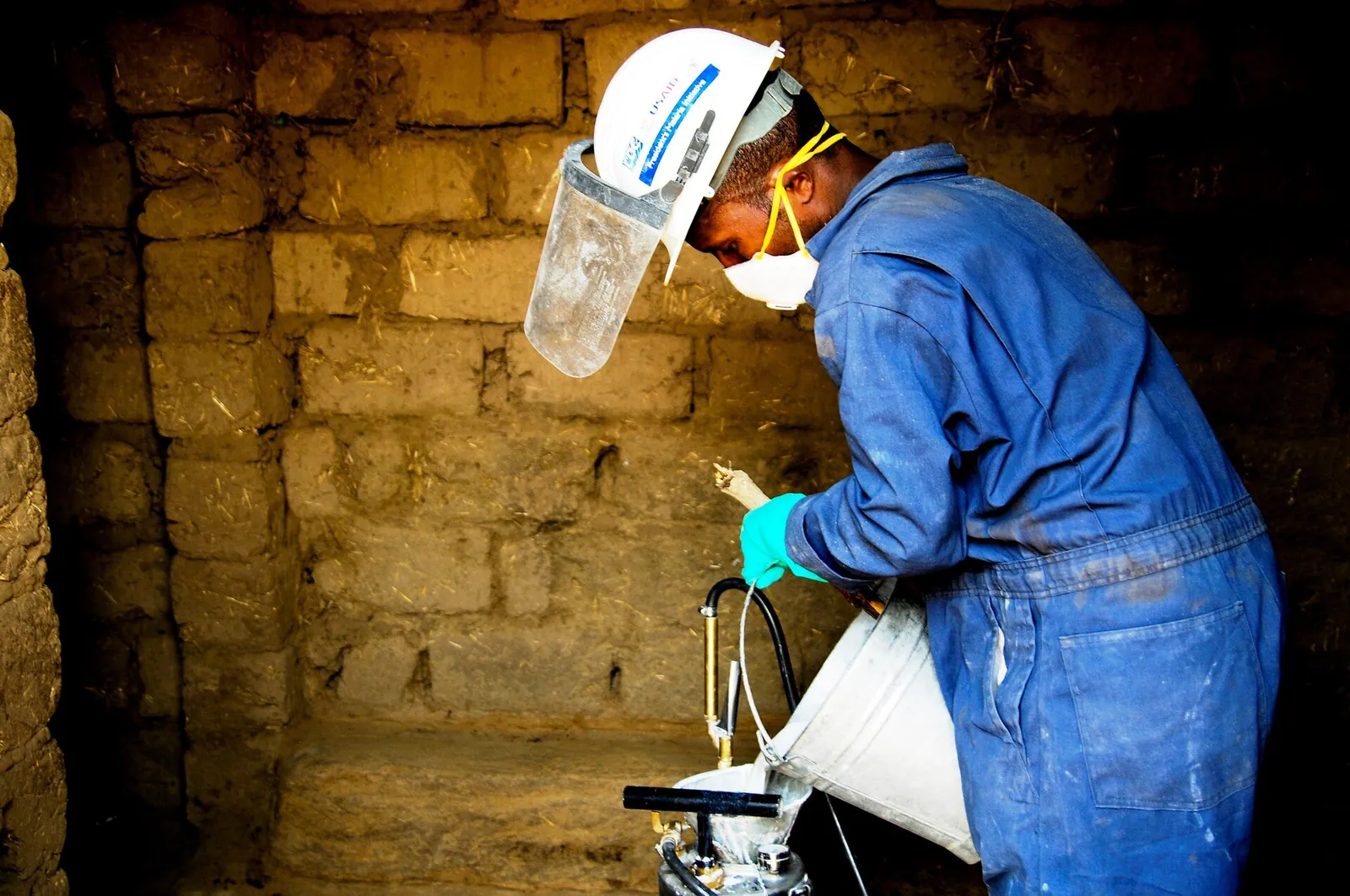
The word residual simply means 'left behind'. Unlike a household aerosol, which kills what it hits and then evaporates, a residual product is designed to stay on the surface. Professionals mix a concentrate with water and apply it as a coarse, low-pressure spray to cracks, edges, skirting, the backs of cabinets, drain areas and the routes insects use.
Most residual sprays used in Indian homes belong to the synthetic pyrethroid family: deltamethrin, cypermethrin, lambda-cyhalothrin, bifenthrin and permethrin are the common names you will see on labels. Some operators also use organophosphates for specific jobs, and newer products combine two actives. Each must carry a registration number from the Central Insecticides Board and Registration Committee (CIB&RC); check the current rules if you want to verify a product.
Formulations: why the label letters matter
The same active ingredient can come in different forms, and the form changes how long the spray lasts on your walls.
| Label code | What it means | Where it suits |
|---|---|---|
| EC | Emulsifiable concentrate: active dissolved in a solvent, turns milky in water | Non-porous surfaces like tile and steel; can leave a smell |
| WP | Wettable powder: fine powder suspended in water | Porous cement and brick, where it stays on top instead of soaking in |
| SC | Suspension concentrate: solid particles in liquid | General indoor use; low smell |
| CS | Capsule suspension: active inside tiny capsules | Longer residual life; releases slowly as capsules break |
A plain cement wall acts like a sponge. An EC spray soaks into it and much of the active ends up below the surface where insects never touch it. A powder or capsule formulation sits on top and lasts longer. Good operators choose the formulation for the surface, not just the cheapest bottle on the van.
How long does residual spraying last on different surfaces?
There is no single number, and anyone who promises six months indoors for every surface is selling hope. These are the factors that shorten or extend the life of the film.
- Mopping and wiping. A floor wiped daily with a detergent loses most of its residue within a couple of weeks. Skirting and the back of a cabinet that nobody touches keep it far longer.
- Sunlight. Ultraviolet light breaks down pyrethroids, so a sunny balcony ledge holds the spray for a much shorter time than a dark shaft.
- Heat and alkalinity. Fresh lime wash and new cement are alkaline and can break down some actives quickly.
- Dust and grease. A layer of kitchen grease or construction dust over the film stops insects from touching it.
- Rain. Outdoor spraying in the monsoon can wash off in the first heavy shower.
As a working rule, expect a few weeks on mopped floors, one to three months on undisturbed indoor edges and voids, and much less outdoors. That is why most annual contracts schedule three or four visits a year instead of one. Our article on how long pest control treatment actually lasts compares this with gel and termite work.
Which pests residual spraying controls well
Residual spraying is a crawling-insect and resting-insect tool. It works best on pests that walk along predictable routes or sit on walls.
- American cockroaches entering from drains, floor traps and plumbing shafts.
- Ants trailing along skirting and window frames, though baits often do better for nest-level control.
- Silverfish in store rooms and behind wardrobes.
- Spiders and crickets along the edges of rooms and in lofts.
- Mosquitoes resting on walls. Public health programmes in India have long used indoor residual spraying on walls of homes in malaria-affected areas for this reason.
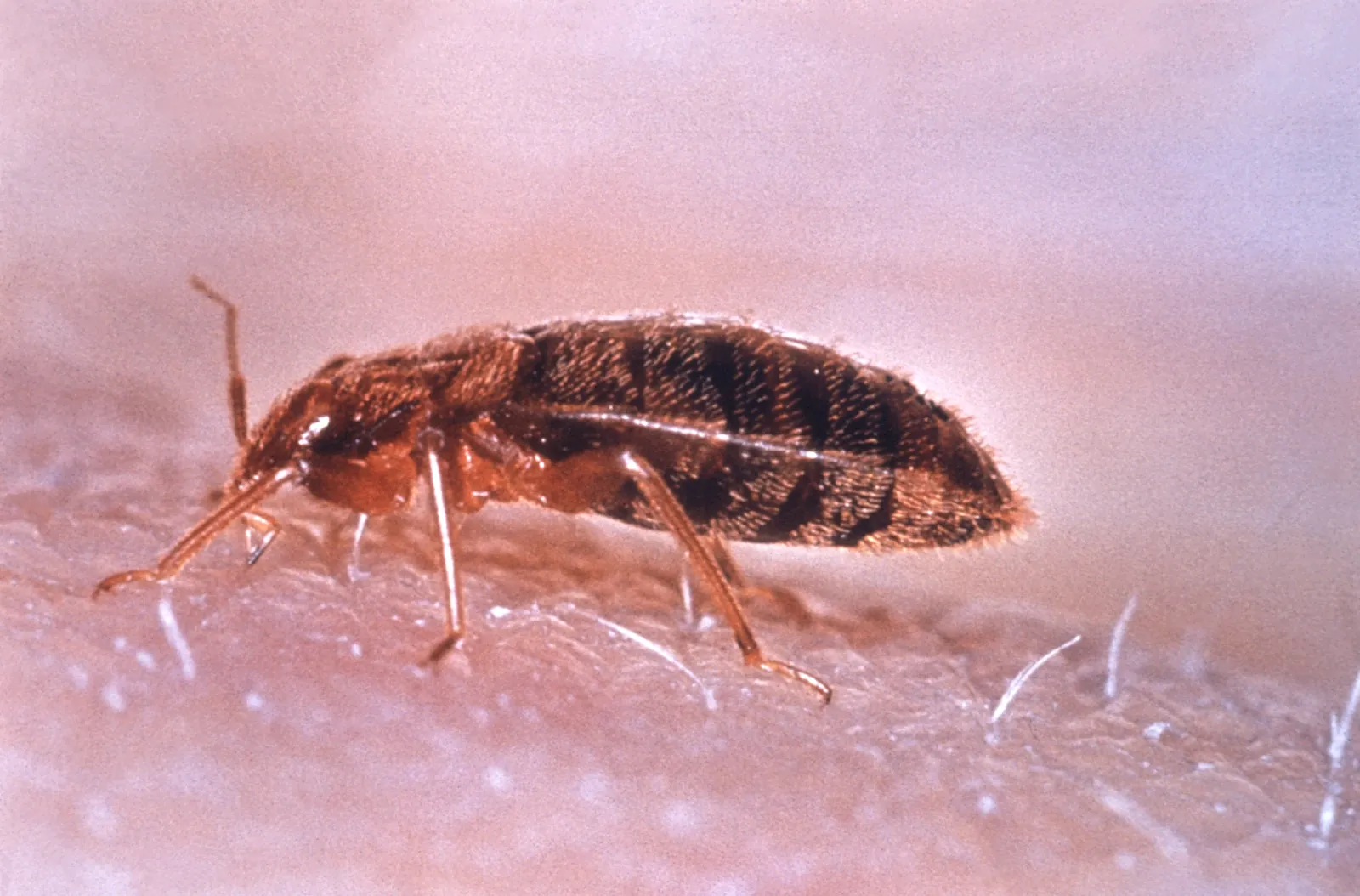
It is a poor choice for bed bugs on its own, because they hide inside mattress seams and furniture joints that a surface spray does not reach well, and many bed bug populations tolerate pyrethroids. It is also not a termite treatment; termites need soil or wood treatment at the point of entry.
Is residual spraying safe at home?
Applied correctly, yes for most households, but safety comes from how it is done rather than from the chemical alone. The risk is highest while the spray is wet and in the air, so the main rules are about that window.
- Clear kitchen counters, cover or pack away food, utensils, toothbrushes and children's toys before the visit.
- Move fish tanks out of the room, or cover them and switch off the air pump. Pyrethroids are highly toxic to fish even in tiny amounts.
- Keep children, pregnant family members, elderly people with breathing problems and pets out until surfaces have dried. Many operators advise two to four hours; follow the product label.
- After you return, open windows and run fans for a while. Wipe kitchen platforms and dining tables with a damp cloth before food goes back.
- Do not mop the treated edges for a few days. You will remove the protection you paid for.
Some people feel a tingling or numb sensation on the skin after touching wet pyrethroid. It usually fades within a day, but if anyone develops breathlessness, repeated vomiting, dizziness or confusion after a treatment, take them to a doctor and carry the product name. See our guide on pest control with children and pets at home for more.
When a residual spray is the wrong tool
A good technician sometimes advises against spraying, and that is a sign of competence. Spraying inside kitchen cabinets with German cockroaches tends to scatter the colony. Spraying a whole flat 'just in case' wastes chemical and adds exposure without adding control. And spraying a building where only one flat is treated rarely holds, because untreated neighbours keep supplying new insects.
Ask for targeted application: cracks, edges, drains, entry points and the routes you have seen insects use. A spray that coats open floors and walls is more about looking busy than about results.
What residual spraying costs
Residual spraying is usually bundled into a general pest treatment rather than sold alone. For a 2BHK flat, a general cockroach and ant service with spray at drains and wet areas plus gel in the kitchen typically costs ₹1,200 to ₹2,500 in 2026. An annual contract with three or four visits for a flat usually falls between ₹3,500 and ₹7,000. These are typical ranges; metros sit at the top and smaller cities lower.