In pest control, your technicians are your business. They are the ones who enter the customer's home, apply the treatment, and decide by their skill and manners whether the customer renews or complains. A great technician builds your reputation; a careless one destroys it. Yet hiring and training is where many operators struggle most. This guide shows you how to hire and train reliable pest control technicians who grow your business.
Why the right technician matters so much
A pest control technician is not just a sprayer — they are your brand walking into someone's home. Customers judge your entire company by how the technician looks, speaks, and works. A polite, knowledgeable technician who explains the treatment and cleans up after himself earns trust, reviews, and referrals. A rude or sloppy one loses a contract no matter how good your chemicals are. This is why hiring and training deserve real attention.
Hire for attitude, train for skill
Technical skill can be taught, but attitude is much harder to change. When hiring, look first for reliability, honesty, willingness to learn, and a respectful manner with people. A candidate who turns up on time to the interview, listens well, and is comfortable talking to strangers will likely make a better technician than a more experienced but arrogant or unreliable one. You can teach spraying; you cannot easily teach character.
What to look for in a candidate
Beyond attitude, weigh these practical qualities when hiring:
- Physical fitness for the work — bending, climbing, carrying equipment.
- Basic literacy to read labels, follow dosing, and use a technician app.
- A valid driving licence if the role involves travelling between jobs.
- Comfort dealing with customers politely and calmly.
- A clean background, since they enter people's homes.
Train chemical safety first, always
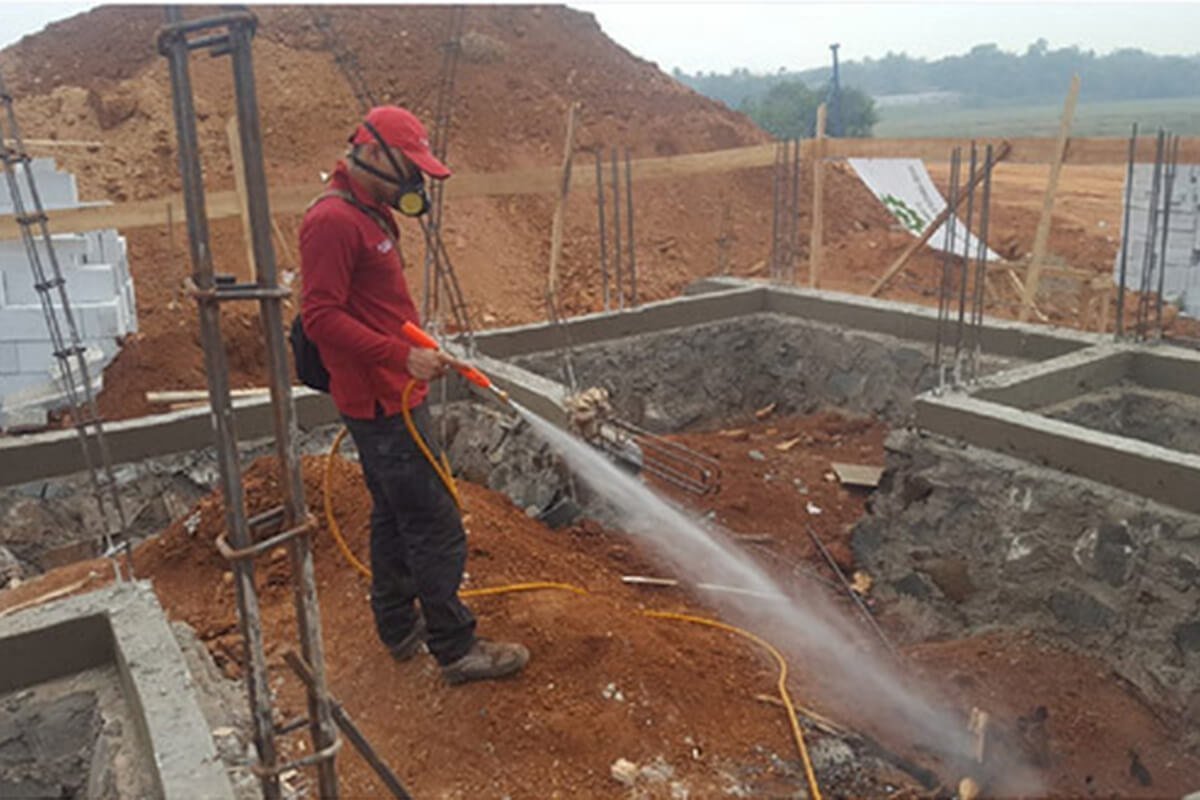
Before a new technician ever treats a customer's home, they must understand chemical safety thoroughly. Train them on wearing protective gear, correct mixing and dosing, safe storage and transport, what to do if chemical contacts skin or eyes, and how to keep treatment away from food, children, and pets. Safety is non-negotiable — one careless incident can harm someone and end your business. Make safety the foundation of all training.
Hire the person who will treat a customer's home like their own. Skills you can teach in weeks; that respect is worth more than any certificate.
Teach correct treatment methods
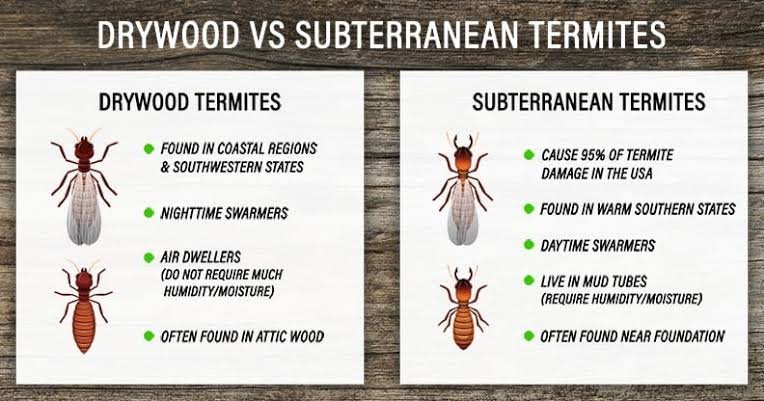
A technician must know not just how to spray, but why. Train them to identify common pests, choose the right treatment and dose, apply gel bait and sprays correctly, and understand why follow-up visits matter. A technician who understands the reasoning behind the method does a better job and can explain it convincingly to the customer, which builds trust and justifies your price.
Train customer manners and communication
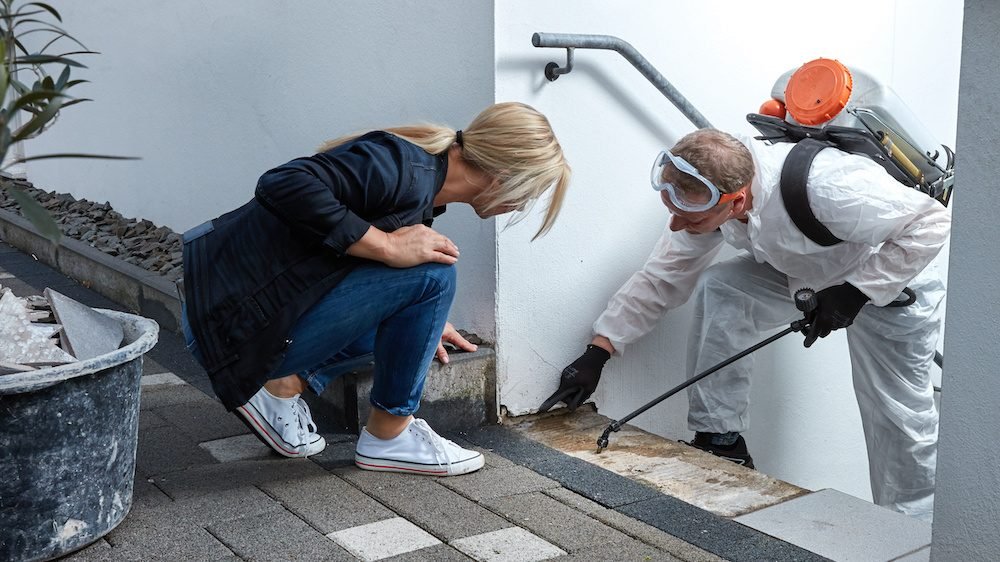
Skill alone is not enough — how a technician behaves in a customer's home decides your reputation. Train them to arrive on time, dress neatly, greet the customer politely, explain what they will do, answer questions patiently, and clean up afterwards. Coach them to handle complaints calmly and to never argue. These soft skills often matter more to the customer than the technical details of the treatment.
Use technology to guide and track work
A technician app helps new and experienced staff alike do consistent, accountable work. With software like PestVyapar, technicians see their daily schedule, follow the correct treatment for each customer, mark visits complete, capture the customer's signature, and add notes and photos. This guides less-experienced staff, gives you proof of service, reduces paperwork, and ensures every job is recorded properly. Technology turns good training into consistent daily practice.
Set clear standards and supervise early
New technicians need clear expectations and early oversight. Define what a good visit looks like — punctuality, dosing, cleanliness, customer interaction — and have a senior person accompany new hires on their first jobs. Check their early work, give feedback promptly, and correct bad habits before they set. Investing supervision time upfront produces reliable technicians who can later work independently with confidence. A simple checklist for each visit also helps, giving the technician a clear standard to meet and giving you an easy way to confirm the job was done properly.
Retain good technicians
Good technicians are hard to find and expensive to replace, so keeping them matters as much as hiring them. Pay fairly, treat them with respect, recognise good work, provide safe equipment, and offer a path to grow — a senior technician or team lead role. A technician who feels valued stays loyal, keeps improving, and represents your business well. High staff turnover, by contrast, means constant retraining and inconsistent service.
Keep training ongoing, not one-time
Training a technician once at joining is not enough. New chemicals, methods, and pests appear, and habits drift over time, so build short refresher sessions into your routine. Use quiet seasons to review safety, practise on tricky cases, and share lessons from complaints and successes. A team that keeps learning stays sharp, avoids mistakes, and delivers consistent quality, which directly protects your reputation and your contracts.
Build a culture of pride and safety
The best pest control teams take pride in solving problems properly and doing right by the customer. Reinforce this culture: celebrate technicians who earn great reviews, insist on safety without exception, and treat mistakes as lessons rather than only as failures. When your team believes their work genuinely helps families and businesses live pest-free, that pride shows in every visit — and your customers feel it.
Frequently Asked Questions
What should I look for when hiring a pest control technician?
Prioritise attitude — reliability, honesty, willingness to learn, and polite manners — because skills can be taught but character cannot. Also check physical fitness, basic literacy to read labels and use an app, a driving licence if needed, comfort with customers, and a clean background since they enter homes.
Is experience necessary to hire a pest control technician?
Experience helps but is not essential. A reliable, respectful, quick-learning candidate with good customer manners often makes a better long-term technician than an experienced but unreliable one, because you can teach the technical skills but not the right attitude.
What is the most important part of technician training?
Chemical safety must come first — protective gear, correct mixing and dosing, safe storage, first aid for exposure, and keeping treatment away from food, children, and pets. One careless safety incident can harm someone and end your business, so safety is the non-negotiable foundation of all training.
How do I train technicians to keep customers happy?
Train customer manners alongside technical skill: arriving on time, dressing neatly, greeting politely, explaining the treatment, answering questions patiently, cleaning up, and handling complaints calmly without arguing. These soft skills often matter more to customers than the technical details.
How can software help my technicians?
A technician app like PestVyapar shows staff their daily schedule, guides the correct treatment for each customer, and lets them mark visits complete, capture signatures, and add notes and photos. This helps less-experienced staff work consistently, gives you proof of service, and reduces paperwork.
How do I keep good technicians from leaving?
Pay fairly, treat them with respect, recognise good work, provide safe equipment, and offer a path to grow into senior or team-lead roles. Good technicians are hard to replace, and a valued technician stays loyal and represents your business well, whereas high turnover means constant retraining.