If you live in Mumbai, you already know the pattern. The first heavy shower arrives in June, the air turns thick and damp, and within a fortnight the cockroaches are back in the kitchen, mosquitoes are breeding on the balcony, and something is scratching above the false ceiling at night. It is not your imagination, and it is not a hygiene failure. Mumbai's monsoon creates near-perfect breeding conditions for almost every urban pest at once, and the city's building stock makes the problem worse.
This guide explains what actually happens in a Mumbai building between June and September, which pests arrive in which order, and what genuinely works in a high-rise flat versus an old chawl or a ground-floor shop. The advice is specific to this city — the drainage, the humidity, and the building types here are not like Delhi or Bangalore.
Why Mumbai is harder than almost any other Indian city
Three things combine here in a way they do not elsewhere. First, humidity rarely drops below 75 percent for four months, so surfaces never fully dry. Second, the city sits at sea level with a drainage network that backs up during high tide, which pushes rodents and cockroaches upward out of sewers and into buildings. Third, Mumbai builds vertically and densely, so a single infested flat shares plumbing shafts, ducts, and common walls with dozens of neighbours.
That third point is the one most residents underestimate. In a standalone house, treating your kitchen solves your problem. In a Mumbai tower, an untreated flat six floors below can re-supply your kitchen through the same plumbing riser within weeks. This is why individual flat treatment often disappoints while building-wide treatment works.
The monsoon pest timeline, month by month
Pests do not all arrive together. They follow a fairly predictable sequence tied to rainfall and temperature.
| Period | What arrives | Why it happens then |
|---|---|---|
| Early June | Cockroaches, ants | First rains flood drains and sewer lines; roaches move upward into kitchens and bathrooms. |
| Late June to July | Mosquitoes | Standing water in pots, tarpaulins, and construction sites completes the 8 to 10 day breeding cycle. |
| July to August | Rodents | Burrows and low-lying nests flood, pushing rats into buildings and false ceilings. |
| August to September | Termites, silverfish, fungus gnats | Sustained damp softens wood and raises moisture in walls and stored paper. |
| Late September | Flies, second cockroach wave | Receding water leaves organic silt and waste that breeds flies rapidly. |
Knowing this sequence matters because it tells you when to act. Treating for mosquitoes in September is late. The useful window for prevention is mid-May, before the first shower, when surfaces are still dry enough for residual treatments to bond properly and last.
Cockroaches: the plumbing shaft problem
The species you are almost certainly seeing is the American cockroach, the large reddish-brown one that flies short distances. It lives in sewers and drainage chambers and enters through floor traps, the gap around soil pipes, and unsealed shaft openings behind kitchen platforms. The smaller German cockroach is a different problem, usually arriving inside grocery cartons and appliances rather than from drains.
The distinction changes the treatment completely. American cockroaches need the entry route sealed and the drain line treated. German cockroaches need gel baiting inside cabinets and appliance housings, because spraying scatters them and makes the infestation harder to control.
- Fit a spring-loaded or self-closing floor trap in every bathroom and kitchen drain. A plain jali does not stop a cockroach.
- Seal the annular gap where the soil pipe passes through the slab. This single gap is the most common entry point in Mumbai flats.
- Check behind the kitchen platform where it meets the plumbing shaft — builders frequently leave this open.
- Do not pour bleach or phenyl down drains hoping to kill them. It does not reach the harbourage and only masks the odour trail.
Mosquitoes: the eight-day rule that actually matters
Aedes aegypti, which carries dengue and chikungunya, breeds in clean stagnant water and needs roughly eight to ten days to go from egg to adult. That number is the whole strategy. If every water-holding container in and around your home is emptied and scrubbed once a week, the cycle never completes and the local population collapses, regardless of what your neighbours do.
The scrubbing part is not optional. Aedes eggs stick to container walls above the waterline and survive drying for months, hatching when water returns. Tipping out the water but leaving the film behind simply resets the clock.
- Money plant vases and decorative bowls indoors — the single most overlooked source in Mumbai flats.
- AC drip trays and the tray under the refrigerator.
- Plant pot saucers on balconies and window ledges.
- Loose tarpaulin, discarded tyres, and cement mixing trays on any adjacent construction site.
- Blocked chhajja and terrace outlets holding shallow water after each shower.
Fogging, which societies often demand, kills adult mosquitoes flying at that moment and does almost nothing to larvae. It is useful during an active dengue cluster as a short-term knockdown, but it is not a control programme. Larvicide applied to water bodies that cannot be emptied does far more.
Rodents in high-rise buildings
Residents on the fourteenth floor often assume rats are a ground-floor problem. They are not. Rats climb plumbing shafts, cable ducts, and the gap behind stack pipes with ease, and the false ceiling of an upper-floor flat is a dry, warm, undisturbed space during a wet monsoon — close to ideal.
The reliable signs are droppings along skirting, gnaw marks on cable insulation, a persistent musky smell, and scratching that moves horizontally overhead at night. Rub marks — dark greasy smears where fur repeatedly contacts a surface — indicate an established route rather than a one-off visitor.
Glue boards are widely sold and widely misused. They are inhumane, frequently catch the wrong animal, and do nothing about the entry route. Proofing the shaft openings with steel wool and cement mortar, combined with tamper-resistant bait stations placed along established runs, addresses the cause instead of the symptom.
Termites and the damp wall myth
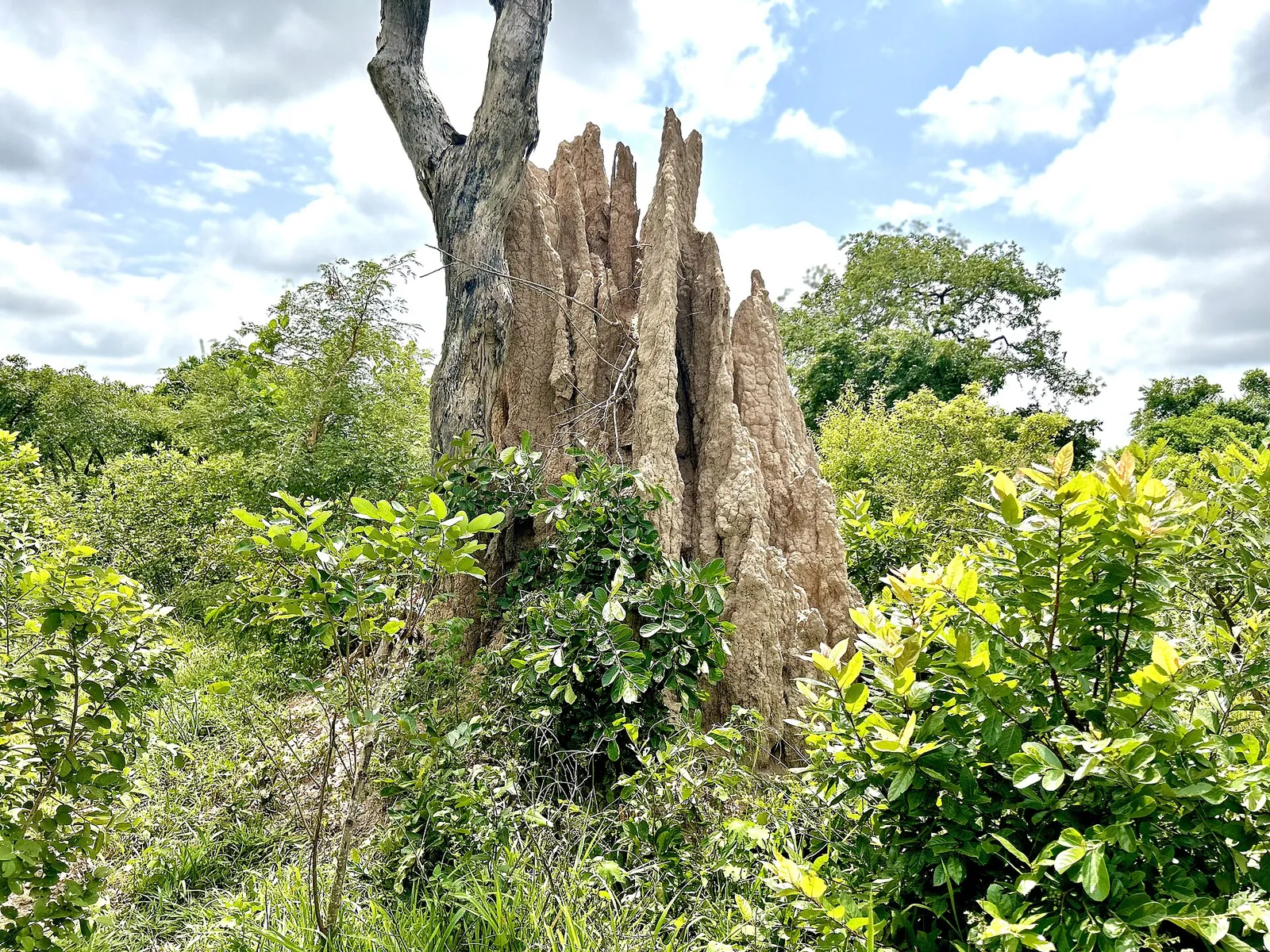
Subterranean termites need soil contact and moisture, which is why they surface during monsoon. The mud tubes you see running up a skirting or along a wall are protected highways between the colony in the soil and the timber they are eating. Scraping the tube away achieves nothing — the colony simply rebuilds it within days.
In Mumbai the common triggers are a leaking bathroom wall shared with a wooden wardrobe, damp from an external wall on the seaward side, and old wooden door frames set directly into masonry. Fixing the water source is part of the treatment, not a separate job to do later.
What is realistic to do yourself, and what is not
Being honest about this saves money. Some monsoon pest work is genuinely a homeowner task, and some is not.
| Task | Do it yourself? | Why |
|---|---|---|
| Weekly water container scrubbing | Yes | Simple, and nothing a professional does replaces it. |
| Sealing floor traps and pipe gaps | Yes, mostly | Basic hardware and sealant; a plumber helps for shaft work. |
| German cockroach gel baiting | Partly | Retail gels work if placed correctly in many small dots, not a few large blobs. |
| Termite treatment | No | Requires drilling, rod injection, and correct chemical dosing at soil level. |
| Rodent proofing of shafts | No | Needs access to common areas and society coordination. |
| Building-wide drain treatment | No | Only effective when done across all risers at once. |
What professional treatment costs in Mumbai
Prices vary by locality and building type, but as a rough guide for 2026: a one-bedroom flat general treatment runs roughly ₹1,200 to ₹2,000, a two-bedroom ₹1,800 to ₹3,000, and termite treatment for a two-bedroom flat ₹6,000 to ₹15,000 depending on affected area and whether drilling is required. Society-wide contracts are quoted per flat and drop substantially per unit at scale.
Be cautious of quotes far below these ranges. The usual economics are that the operator dilutes chemical beyond the label rate or skips the follow-up visit, and the infestation returns after the warranty conversation has been forgotten.
Preparing your society for next monsoon
If you sit on a managing committee, the highest-value action is scheduling treatment in the second half of May rather than reacting in July. Pre-monsoon treatment costs the same and works considerably better, because residual chemicals bond to dry surfaces and because you are suppressing populations before they multiply rather than after.
- Get the drainage chambers and sewer lines treated before the first shower.
- Have the terrace, chhajja, and podium outlets cleared so water does not pool.
- Circulate a simple one-page checklist to residents about vases, AC trays, and pot saucers.
- Seal shaft openings on the ground and first floors, where rodent entry concentrates.
- Fix a written schedule with your operator for June, July, and August follow-ups rather than single visits.