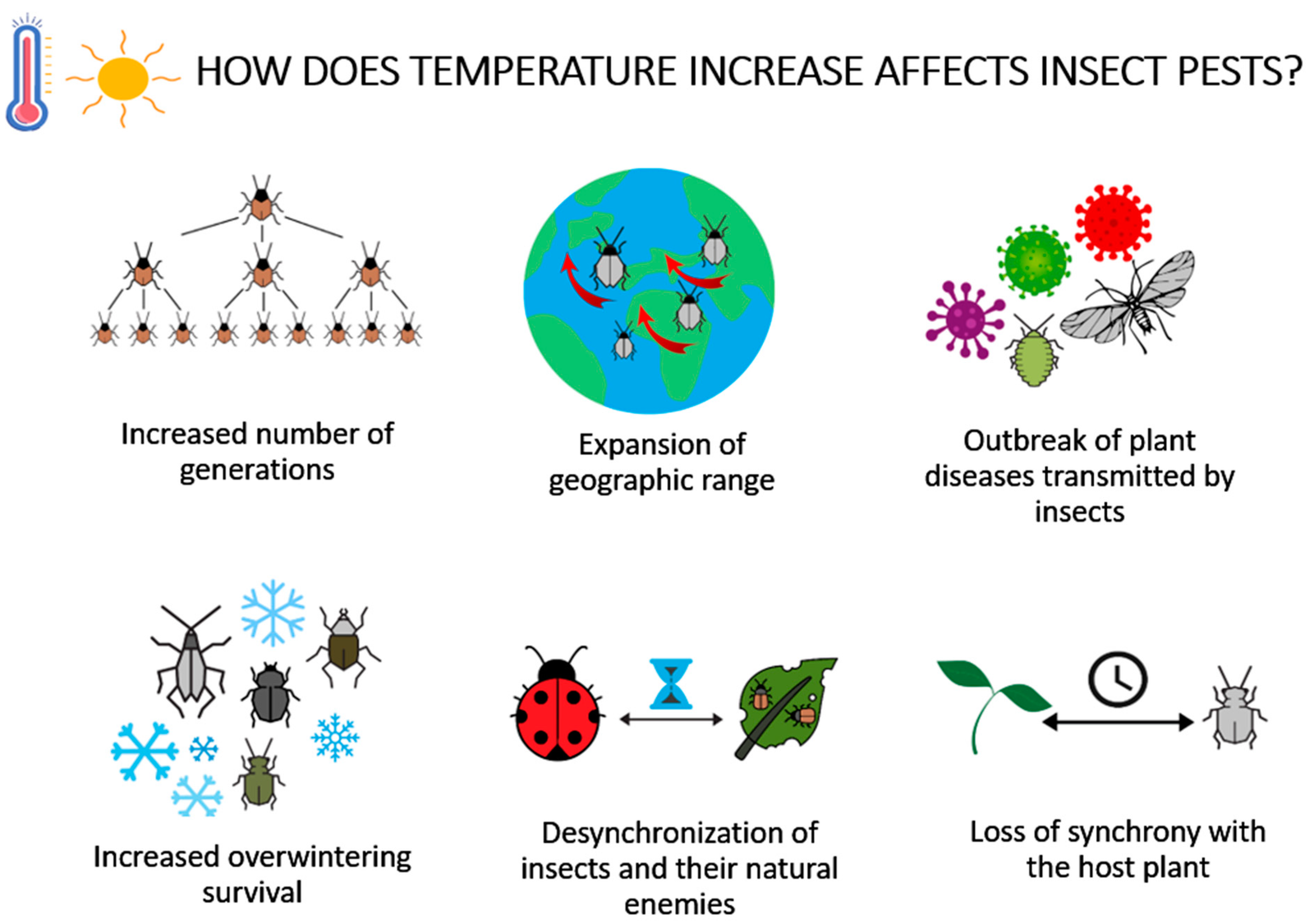
Pest control technicians in India have been saying the same thing for several years: the season never really ends any more. Mosquito complaints that used to fade by November now continue into December in many cities. Termite swarms arrive earlier. Cockroach calls stay high through winters that are milder than they were twenty years ago. Climate change is not the only reason, but it is changing the conditions that decide where pests live, how fast they breed and how long their active season lasts.
This article looks at what is actually changing, which pests are most affected, and what it means for how households and businesses plan pest control.
Why temperature matters so much to insects
Insects are cold-blooded. Their development speed depends directly on the temperature around them. Within the range they can tolerate, warmer conditions mean faster growth from egg to adult, more generations each year and longer daily activity. For the Aedes mosquito, development from egg to adult can take around 10 to 12 days at moderate temperatures and closer to 7 or 8 days in sustained heat. The virus inside the mosquito also multiplies faster when it is warm, which shortens the time before a mosquito can transmit dengue.
A small rise in average temperature, therefore, does not just add a few extra mosquitoes. It can add whole extra generations to the year and stretch the period in which disease spreads.
Mosquitoes moving into new places and months
India's health surveillance data and research published over the last decade show dengue spreading beyond its traditional hotspots. Cases have been reported in places once considered too cold for steady transmission, including hill towns in Himachal Pradesh, Uttarakhand and the Northeast. In the plains, the dengue season that used to peak in September and October now often extends into November and early December when post-monsoon rain and warm nights continue.
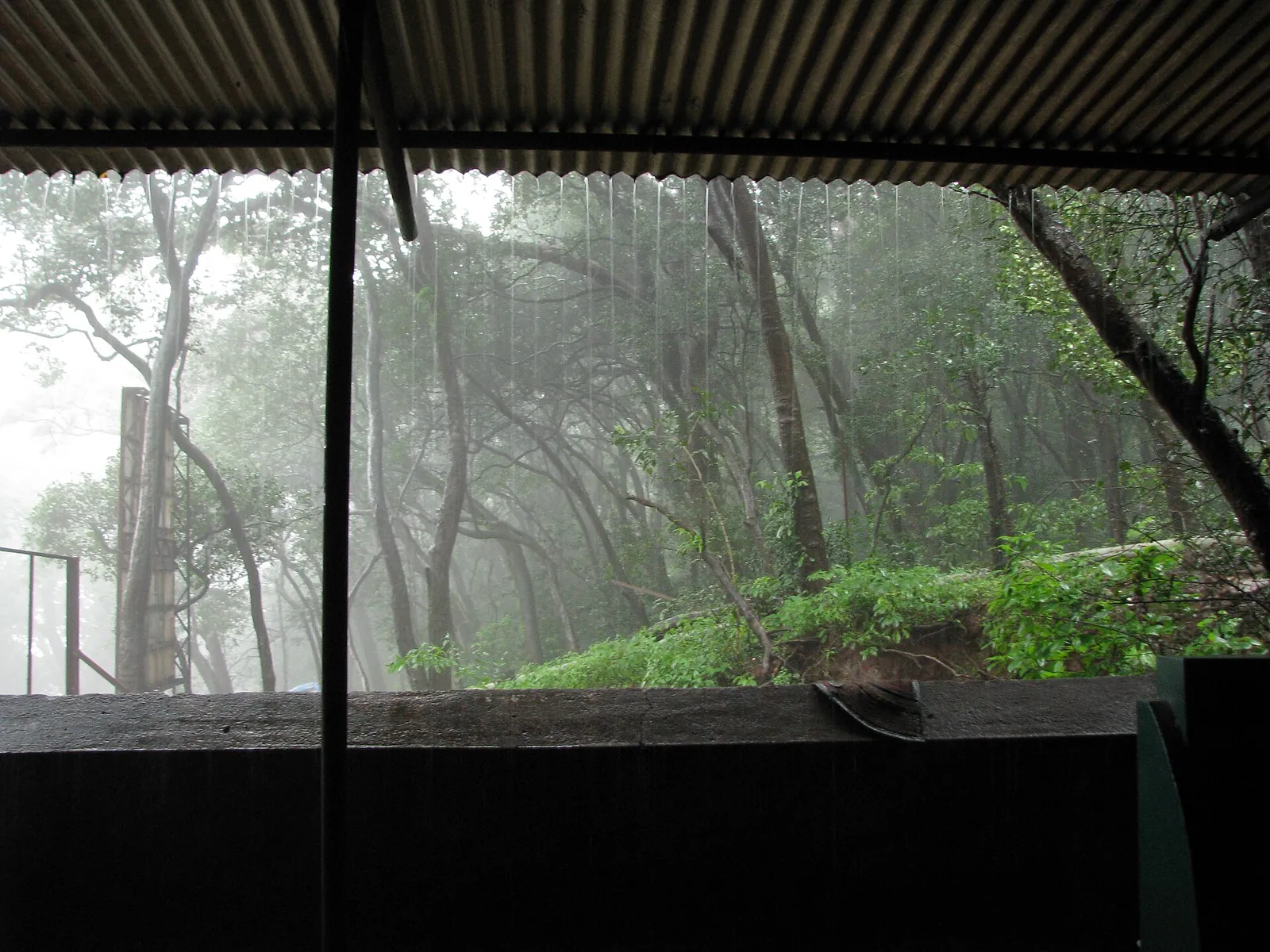
Changing rainfall patterns add to this. Short, intense bursts of rain followed by dry spells leave water standing in containers and construction sites without flushing it away, which suits container-breeding Aedes. Urban expansion, with more water storage and more construction, gives the mosquito even more habitat.
Termites, cockroaches and rodents
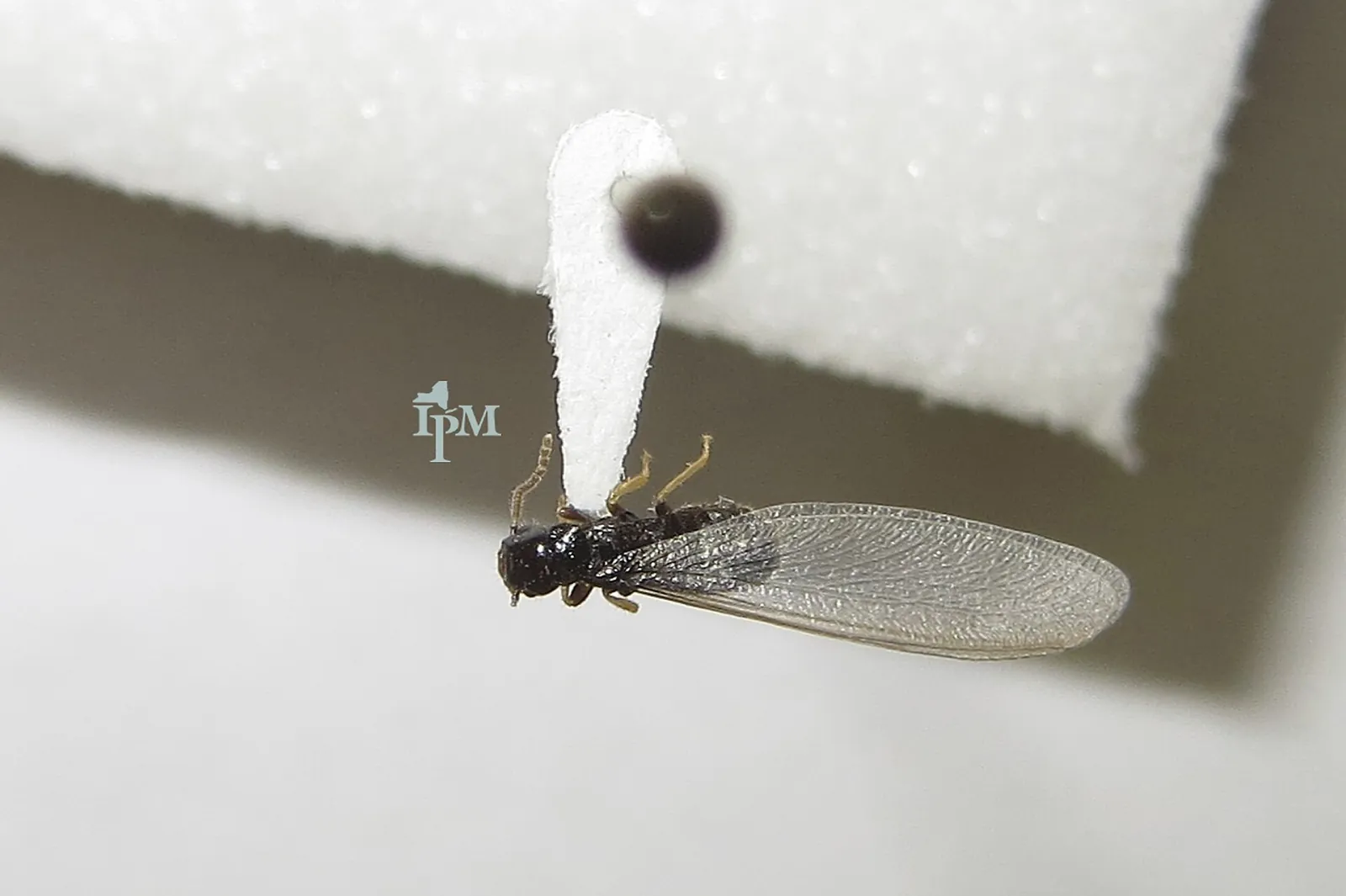
Termite swarming is triggered by a combination of rain, humidity and temperature. When pre-monsoon showers come early or unpredictably, swarms arrive earlier or in several waves rather than one. Warmer, wetter soil also keeps colonies active for more of the year. In southern and coastal cities, where winters were already mild, termites are effectively active all year.
Cockroaches in Indian cities live mostly in heated, humid indoor environments and drains, so they are less directly affected by outdoor temperature. But milder winters in the north mean outdoor populations around markets, drains and garbage areas no longer crash in December and January the way they used to. That leaves a larger population ready to move indoors when the monsoon arrives. Rodents benefit in a similar way, and extreme rain events that flood cities repeatedly push them into buildings and raise leptospirosis risk.
Agricultural and outbreak pests
Some of the clearest examples come from agriculture. The 2019 to 2020 desert locust upsurge, the worst India had seen in decades, was linked to unusual cyclones and rainfall over the Arabian Peninsula that let locust populations explode before they swept into Rajasthan, Gujarat, Madhya Pradesh and beyond. The fall armyworm, which arrived in India in 2018, spread rapidly across maize-growing states partly because warm conditions allowed many generations a year.
These pests rarely affect homes directly, but they show how quickly a change in weather can turn a manageable pest into a regional emergency.
What has changed, in one table
| Pest | What is changing | Practical effect |
|---|---|---|
| Aedes mosquito | Faster breeding, longer season, spread to cooler areas | Dengue risk into November and December; hill towns affected |
| Anopheles mosquito | Altered rainfall timing | Malaria peaks shifting in some regions |
| Subterranean termites | Earlier and repeated swarms, longer activity | Inspection needed more than once a year in some cities |
| Cockroaches | Larger surviving outdoor populations after mild winters | Bigger monsoon surge into buildings |
| Rats | More frequent flood events | More rodents entering buildings; leptospirosis risk |
| Houseflies | More generations in longer hot periods | Higher fly pressure in summer, especially near waste |
What it means for households
The old rule of booking pest control once before the monsoon is no longer enough in many parts of India. A better approach is to think of the year in two halves: a pre-monsoon treatment in May focused on cockroaches, termites and drains, and a post-monsoon round in September or October focused on mosquitoes, rodents and any damage from the rains. Mosquito source reduction, emptying containers weekly, now needs to continue until temperatures drop properly, not stop when the rains end.
- Keep the weekly water-container check going until night temperatures are consistently below about 18 degrees Celsius in your city.
- Do not assume a hill holiday home is mosquito-free; carry repellent and check for standing water there too.
- Inspect for termites if you see wings at any time of year, not only in the first rains.
- If your area floods, treat rodent proofing as a yearly task rather than a one-time fix.
What it means for pest control businesses
For operators, a longer and less predictable season changes how work is planned. Annual maintenance contracts with fixed visit dates may need flexible scheduling so visits match local pest activity rather than a calendar. Demand peaks are wider and less sharp, which helps spread technician workload, but surprise outbreaks after unseasonal rain require quicker response. Recording pest activity at each site over the years becomes valuable, because it shows how the pattern is shifting at that location instead of relying on what used to be true.
A careful word on cause and effect
Not every change in pest numbers is caused by climate. Urban growth, poor waste management, more water storage, increased travel and resistance to common insecticides all play large roles, often larger than temperature alone. Climate change acts as a multiplier on top of these factors. Good sanitation, building maintenance and sensible treatment still decide most of what happens in a single home.
Looking ahead
Researchers expect the areas suitable for dengue transmission in South Asia to expand over the coming decades, and for more extreme rain events to bring repeated flood-related disease outbreaks. For households, the practical response is not alarm but routine: a pest prevention habit that runs all year, attention to standing water outside the monsoon months, and treating unexpected pest activity as a signal rather than a fluke.